
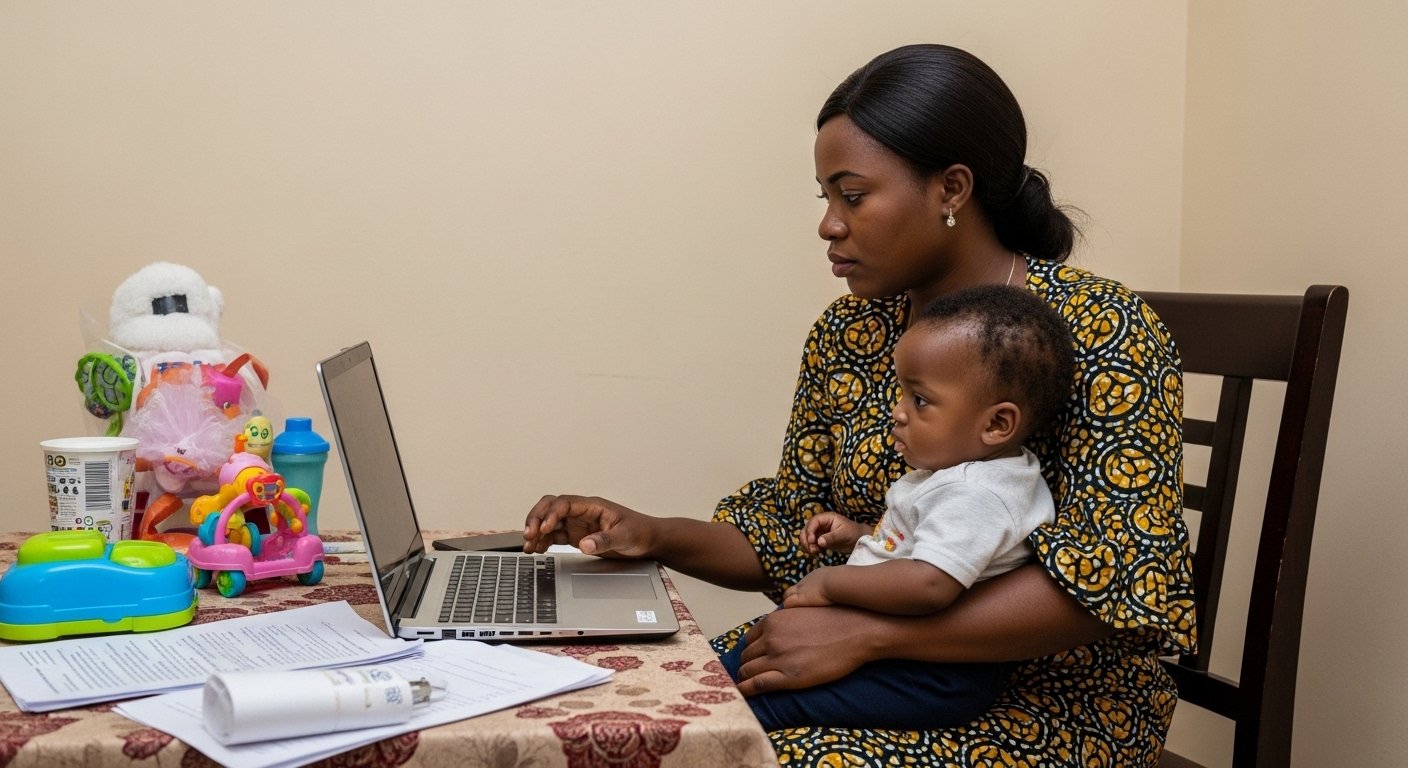
A nation that claims to value its human resources cannot continue to treat the welfare of mothers and newborns as an afterthought. Yet, in Ghana, working mothers are expected to recover from childbirth, nurture their newborns, and return to their professional responsibilities after just three months of maternity leave. This arrangement is not only inadequate but also raises serious questions about the country's commitment to maternal welfare, child development, and gender equality.
Why should motherhood place a woman's health, her child's well-being, and her economic security in competition with one another? The physical and emotional demands of childbirth do not conveniently disappear after twelve weeks. Mothers need adequate time to recover, establish routines with their newborns, and adjust to the demands of motherhood. Newborns, equally, require consistent maternal care during their earliest and most vulnerable months. Yet the state appears comfortable with a system that compels many women to return to work when both mother and child may still need considerably more time together.
I strongly believe Ghana must reconsider its maternity leave policy and seriously consider extending it from three to six months. This is not a demand for an unreasonable privilege; it is a call for a humane, forward-looking policy that recognises the importance of maternal health, infant welfare, and national development.
The situation is particularly troubling in the private sector, where some women reportedly face demotions, unfavourable changes in their employment conditions, salary-related disadvantages, or even the loss of their jobs following pregnancy and childbirth. Such practices, where unlawful, must attract appropriate sanctions. No woman should have to fear losing her livelihood simply because she has exercised her right to become a mother.
Ghana's labour laws provide maternity protections, but the existence of legal provisions is not enough. Effective enforcement is essential. The relevant state institutions must ensure that employers respect these protections and that women can report violations without fear of retaliation.
Equally concerning is the apparent lack of sustained political pressure to make maternity-leave reform a national priority. Where are the women occupying influential positions in government and Parliament in this conversation? Why has the extension of maternity leave not become a more visible and urgent legislative demand?
Women in positions of authority have a valuable opportunity to champion reforms that directly affect the welfare and economic security of working mothers. Their responsibility is not merely to occupy positions of power but also to use their influence to address pressing social concerns. This, however, must be a collective responsibility shared by both men and women, government, employers, labour unions, and civil society.
The continuing efforts to review Ghana's constitutional and legal framework offer an opportunity to reconsider the broader protection of maternal and child welfare. Parliament and the relevant ministries should seize this moment to review the existing maternity-leave provisions and develop a practical, enforceable framework for extending leave to six months.
Such a reform must also consider the needs of employers, particularly smaller businesses, to avoid unintended consequences for women's employment opportunities. The government should explore appropriate support mechanisms, stronger anti-discrimination safeguards, and workplace policies that protect women before, during, and after maternity leave. Women in informal employment must not be forgotten in the broader national conversation about maternal protection.
Ultimately, extending maternity leave is about recognising that motherhood is not a personal inconvenience to be accommodated reluctantly by employers. It is an essential part of society's continuity and future development. Investing in mothers and newborns today is an investment in the human capital Ghana will depend on tomorrow.
The question is whether Ghana is prepared to move beyond rhetoric about protecting women and children and demonstrate that commitment through meaningful policy reform. Three months should not be the end of the conversation. Six months of maternity leave deserves serious national consideration.
A country that expects its mothers to contribute to national development must also be prepared to protect their health, dignity, livelihoods, and ability to care for their newborns. The time for a rethink is now.






No comments yet. Be the first to comment!