

From Tangasie to Biiree, Kuuri and the Kpaala–Charikpong corridor, neglected roads, electricity deprivation and stalled development projects are testing the patience of forgotten communities.
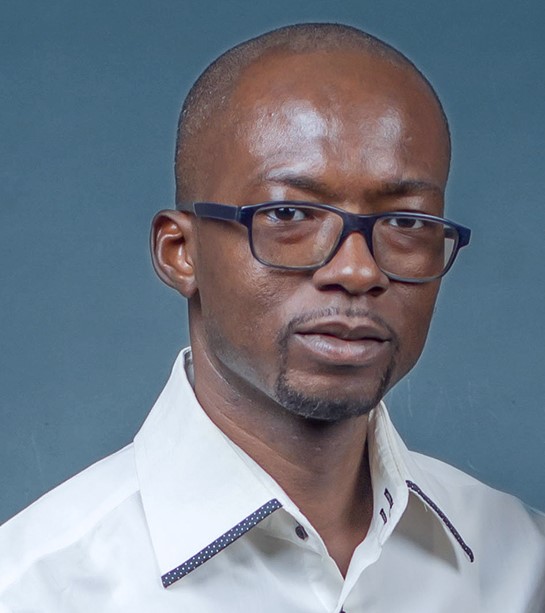
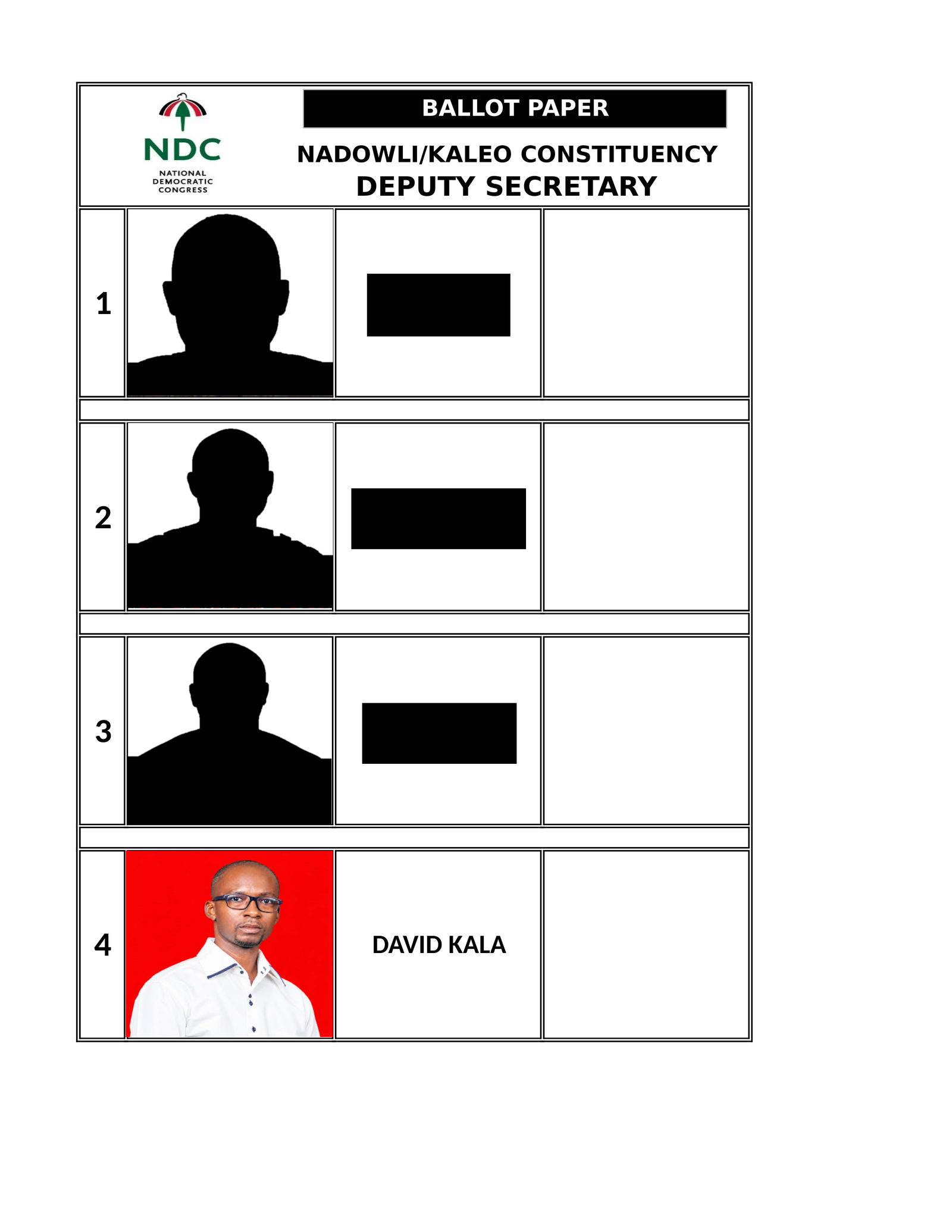
In my previous publication, I expressed deep concern about the apparent neglect of some communities in the Nadowli/Kaleo Constituency following my campaign visits as a prospective and the best bet candidate for the NDC Deputy Secretary position. While some communities yearned for party sheds and economic empowerment, others were struggling for access to motorable roads, potable water, and electricity. The demands are all important as party folks, but some truly beg for urgent attention.
I had hoped that my subsequent visits to Kpangadinga, Korinyiri, Sigduori, Kontaali, Chari-Sombo and surrounding communities would reveal a different picture. Unfortunately, my latest encounters with residents of Baadabuo, Biiree and Kuuri, four years after my previous campaign visits, have compounded my frustrations. What I encountered was not purely a litany of infrastructural deficiencies but a disturbing picture of communities whose patience appears to be wearing thin.
When roads become a barrier to democracy, one will question his or her gain as a believer and practitioner. The branch executives communicated a startling position: residents were prepared to boycott the forthcoming internal party elections unless voting materials were brought directly to their communities. They further threatened to reconsider their participation in the December 2028 parliamentary and presidential elections if their circumstances remained unchanged.
This is an extraordinary expression of frustration, and it must not be dismissed as mere political theatrics. Behind it lies a deeper grievance: the feeling that, despite years of appeals, their suffering has not received the attention it deserves. Such frustration cannot be dismissed lightly.
At the heart of their grievances is the deplorable road network from Tangasie through Baadabuo, Biiree and Kuuri to the main road connecting the Kpaala–Charikpong enclave. According to residents, the road has not received the necessary reshaping since its construction more than 14 years ago. Fourteen years of deterioration! For farmers, traders, students and ordinary commuters, this is not simply an inconvenience. It is a daily struggle against a road that threatens their safety and undermines their livelihoods.
Residents recounted disturbing experiences involving serious accidents, multiple bone fractures, extensive bodily injuries and, reportedly, the loss of body parts. During the rainy season, crossing the river without a bridge compounds the danger, with motorbikes and other property sometimes swept away by strong currents. Imagine losing your only motorbike, perhaps acquired through years of sacrifice, simply because a safe river crossing remains unavailable.
A road should connect people to opportunity, not expose them to danger every time they travel. The residents' frustration has extended to the District Road Improvement Programme (DRIP), a decentralised infrastructure initiative they question whether they are benefiting from. The District Assembly must clarify what interventions have been undertaken or planned for this corridor. Where resources are constrained, the people deserve an honest explanation and a practical maintenance plan.
At Biiree, the indigenes, through their representatives as branch executives, could not find the head and tail of the situation of why social protection raises more questions than answers. Beyond the roads and electricity challenges, the branch executives in Biiree raised concerns about the Livelihood Empowerment Against Poverty (LEAP) programme.
They alleged that some deserving individuals had not been enrolled, while previously recognised beneficiaries had disappeared from the programme's database without satisfactory explanation. For poor older persons, people with disabilities and vulnerable households, such assistance can make the difference between meeting basic needs and sinking deeper into hardship. Any unexplained exclusion therefore deserves prompt investigation. The appropriate LEAP authorities must verify these allegations, explain any changes in beneficiary status and provide a clear process through which affected persons can seek redress.
Equally troubling was the apparent absence of an effective local representation channel. When I asked whether the Assembly Member had been informed, I was told that the community apparently had no such representative and wished they never had one. If confirmed, this raises serious questions about how residents can communicate their concerns to the District Assembly. The people of Biiree deserve both effective representation and an accessible avenue for resolving their grievances.
Next stop was Kuuri: A health facility stranded by a bad road. The situation in Kuuri presented another painful irony. Residents expressed profound gratitude to Dr. Botah E. B. and the sitting MP, Sumah A. M., for donating building materials towards the construction of a community health facility. Their support deserves recognition, particularly given the importance of accessible healthcare in rural communities. The GHc 44,400 budgeted project was conceived as a communal effort, with households reportedly expected to contribute GH¢500 each to complement the benefactors' donations. However, residents stated that these contributions were diverted towards purchasing fertiliser rather than being used for the intended construction.
According to the residents, most major building materials have been secured, with sand and stone chippings among the outstanding requirements. They further indicated that the MP had arranged funding for a truck through the Assembly to transport the materials to the site. Unfortunately, the deplorable road network has become a significant obstacle.
Their description of the predicament was particularly striking: the MP had provided a boat to people stranded on one side of a river, but nobody could row it to the other side where life and comfort awaited them, hence their cry. It is a powerful metaphor for development obstructed by missing infrastructure. The goodwill exists, the donations have been made, and the community's need is undeniable. Yet the project remains stalled.
The MP's office, the District Assembly, community leaders, and the relevant health authorities must urgently coordinate to resolve the transportation challenge, clarify the concerns surrounding community contributions, and establish a realistic completion plan. A health facility must not remain a monument to good intentions. It must be completed, equipped, and made accessible to the people it is intended to serve.
In all respects, the people deserve action, not endless assurances. Although roads dominated these encounters, electricity deprivation remains another pressing concern. As I observed in my previous article, communities such as Sigduori, Kontaali, Chari-Sombo and Kpagdenga continue to face significant infrastructure challenges. These communities should not have to choose between electricity, safe roads and healthcare. All three are essential to improving livelihoods and expanding economic opportunities.
I therefore appeal to the District Assembly, the DCE, the MP, Assembly Members, relevant government agencies, traditional leaders, NGOs and well-meaning sons and daughters of these communities to support practical interventions. The immediate priorities should include assessing and improving the Tangasie–Biiree–Kuuri road, identifying critical river crossings requiring bridges or culverts, investigating the reported LEAP irregularities, resolving the bottlenecks affecting the Kuuri health facility, and pursuing the necessary electrification interventions.
As a prospective Deputy Secretary of the NDC in Nadowli/Kaleo, I believe political engagement must go beyond seeking votes. It must involve listening to the people, amplifying their concerns, and helping to find solutions. I do not endorse electoral boycotts as the ideal response to neglect. However, the frustration behind these threats must not be ignored.
This is an extraordinary expression of frustration, and it must not be dismissed as mere political theatrics. Behind it lies a deeper grievance: the feeling that, despite years of appeals, their suffering has not received the attention it deserves. Political loyalty should never require citizens to remain silent about their suffering, and development should never be treated as a reward for partisan allegiance.
My voice remains my contribution. When I encounter dangerous roads, stalled projects, or communities deprived of essential services, I will continue to speak. The residents of Baadabuo, Biiree and Kuuri are not asking for miracles. They want roads they can travel safely, a health facility that serves its purpose, electricity that improves their lives, and social protection that reaches those who qualify.
Fourteen years of a neglected road is long enough. A stalled health facility is long enough. Communities waiting indefinitely for basic amenities have waited long enough. The time has come to replace explanations with action and promises with tangible results.
Our people deserve better, and the true measure of our commitment must be reflected in the conditions we help them overcome.


Nafiu
Oct 12, 2026 6:30 amA great piece of work, son. Keep it up.