

IN THE SUPERIOR COURT OF JUDICATURE
IN THE SUPREME COURT OF JUSTICE
ACCRA – ORIGINAL JURISDICTION
SUIT NO: J1/XX/2025
BETWEEN:
SHAFIC OSMAN … PLAINTIFF
AND
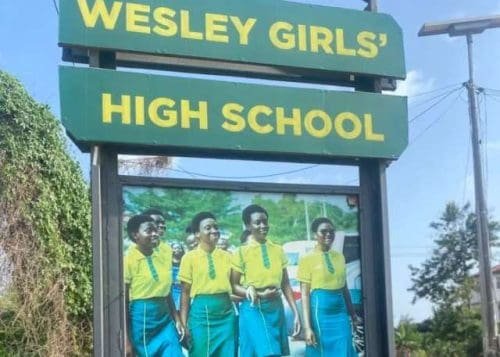
1. BOARD OF GOVERNORS, WESLEY GIRLS’ SENIOR HIGH SCHOOL
2. GHANA EDUCATION SERVICE
3. ATTORNEY-GENERAL … DEFENDANTS
OPINION OF THE COURT
Per: Gabriel Pwamang, JSC (Presiding)
I. Introduction
This matter comes before the Court on a constitutional question regarding the rights of Muslim students enrolled in Wesley Girls’ Senior High School (a public-funded mission school) and whether certain school policies infringe upon their fundamental rights guaranteed under the 1992 Constitution.
The Plaintiff alleges that the Defendants enforce policies that prohibit Muslim students from wearing the hijab, fasting during Ramadan, and performing Islamic prayers, while compelling attendance at Methodist worship services. Reliefs sought include declarations of unconstitutionality and directives for policy reform.
II. Issues for Determination
Whether Wesley Girls’ SHS policies restricting Muslim students’ religious practices violate the 1992 Constitution.
Whether mission schools receiving public funds may enforce denominational rules that limit other faiths.
III. Applicable Law
Article 12(2): Fundamental rights apply to all persons, subject only to respect for others’ rights and public interest.
Article 17(1)-(2): Equality before the law; prohibition of discrimination on grounds of religion.
Article 21(1)(b)-(c): Freedom of thought, conscience, and religion; freedom to practice and manifest religion.
Article 28(4): No child shall be deprived of education because of religious beliefs.
Article 33(5): Incorporates international human rights norms.
International instruments:
African Charter on Human and Peoples’ Rights, Article 8.
Universal Declaration of Human Rights, Article 18.
IV. Analysis
The Constitution guarantees freedom of religion and prohibits discrimination. Education is a fundamental right; no child should choose between faith and schooling. While mission schools may preserve their ethos, such autonomy cannot override constitutional supremacy.
Applying the Marghuy Test (Tyrone Marghuy v Achimota School, 2021):
Does the rule interfere with genuine religious manifestation? Yes.
Does it deprive education because of religion? Yes.
Is the limitation necessary, proportionate, and justified under public interest? No.
The Defendants failed to demonstrate that these restrictions serve a compelling public interest beyond institutional preference.
V. Comparative Jurisprudence
Nigeria (Provost v. Asogwa): Courts upheld students’ right to manifest religion in public institutions.
Kenya (Republic v. Head Teacher, St. Paul’s Primary School): Ban on hijab struck down as unconstitutional.
India (Bijoe Emmanuel v. State of Kerala): Students cannot be compelled to violate conscience in school activities.
These cases affirm that religious accommodation in education is a global constitutional norm.
VI. Holding
The policies of Wesley Girls’ SHS that compel participation in Methodist worship and prohibit Islamic practices are unconstitutional, violating Articles 12(2), 17(2), 21(1)(b)-(c), and 28(4).
VII. Orders
Declaration: The impugned policies are null and void.
Mandatory Injunction: Wesley Girls’ SHS shall allow Muslim students to wear hijab, fast during Ramadan, and perform prayers in a manner consistent with school discipline.
Policy Directive: GES to implement national guidelines within six months to ensure reasonable accommodation of religious practices in all public-funded schools.
SO ORDERED.





No comments yet. Be the first to comment!