
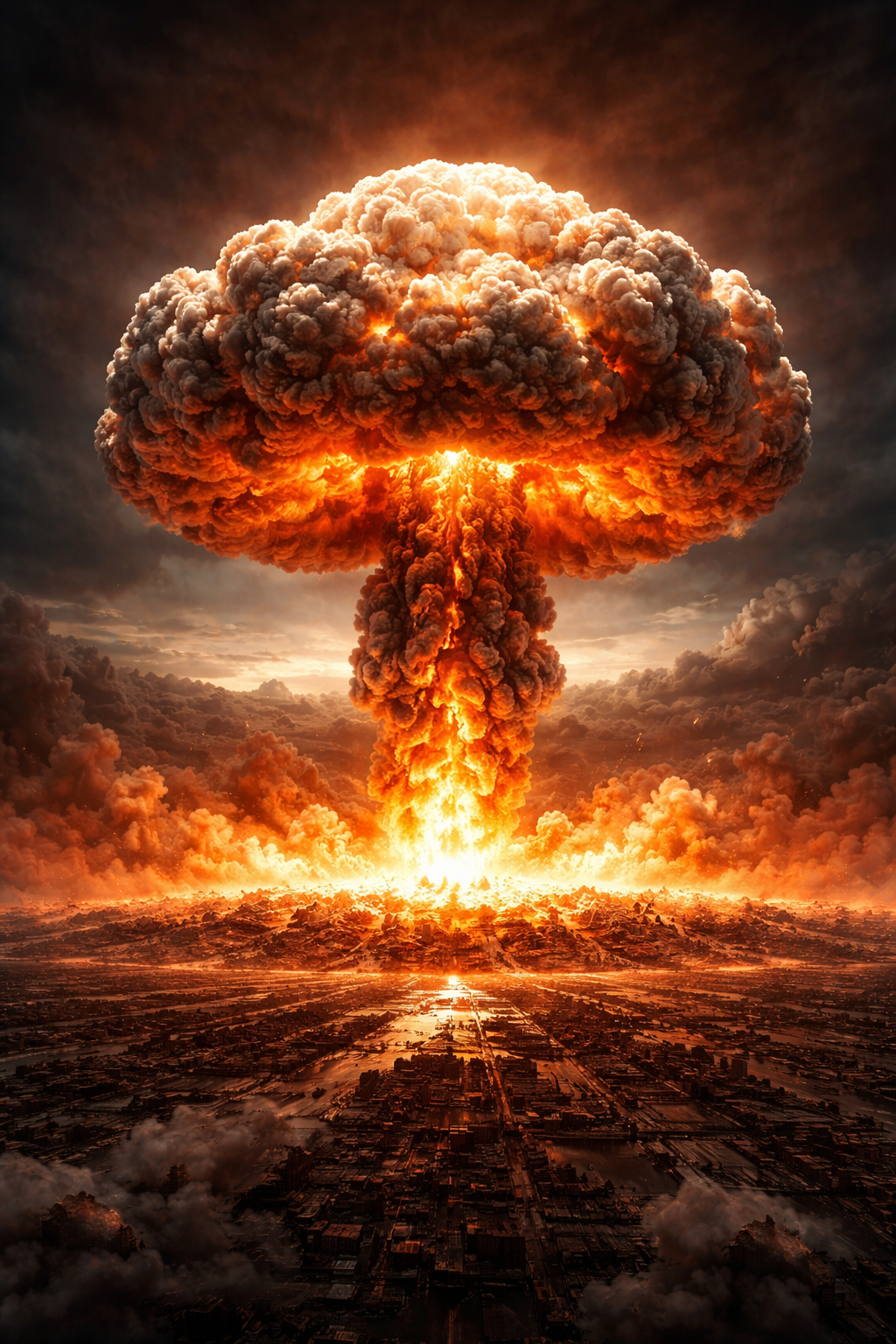
In a world that claims to stand on justice, balance, and the rule of law, one uncomfortable truth continues to linger beneath the surface of global diplomacy: the right to possess the most destructive weapons ever created is reserved for a privileged few. The rest are warned, sanctioned, and sometimes threatened for even attempting to come close. It is a contradiction so glaring that it challenges the very moral foundation upon which international order claims to rest.
Since the end of World War II, and more specifically after the devastating atomic bombings of Hiroshima and Nagasaki, the world agreed, at least in principle, that nuclear weapons represented a danger too great to be allowed unchecked. The response was the creation of frameworks like the Nuclear Non-Proliferation Treaty, designed to prevent the spread of nuclear arms while promoting eventual disarmament. But decades later, that promise rings hollow.
The nations that first acquired nuclear weapons have not only held on to them; they have refined, modernised, and in some cases expanded their arsenals. These countries speak of peace while investing billions into instruments capable of annihilating entire cities in minutes. At the same time, they draw a hard line against others, insisting that no new nation must cross that threshold. The message is clear: nuclear weapons are dangerous, except in the hands of those who already have them.
This is where the global argument fractures. To many observers, particularly in the developing world, the system resembles less a framework for peace and more a structure of control. It is akin to a powerful figure stockpiling weapons of immense destructive capacity while denying even the most basic means of self-defence to others. The imbalance is not merely strategic; it is deeply psychological. It sends a signal about who is trusted with power and who is not.
Countries like North Korea have responded by rejecting the global consensus altogether, choosing isolation over submission. Others, such as Iran, insist their nuclear ambitions are peaceful, yet find themselves under constant surveillance, suspicion, and economic pressure, and now a physical attack by two nations that both have nuclear weapons. The line between prevention and coercion becomes increasingly blurred.
Defenders of the current system argue that the stakes are too high to allow widespread nuclear ownership. They warn that more nuclear-armed states mean greater chances of miscalculation, accidental launches, or weapons falling into the hands of non-state actors. They insist that restraint, even if unevenly applied, is better than chaos.
Yet this argument does little to resolve the underlying contradiction. If nuclear weapons are indeed too dangerous for widespread possession, then the question must be asked: why are they acceptable in any hands at all? And if they are necessary for security, then on what moral grounds can that security be denied to others? This is where others come in with their support not just to Iran, but to any other country that wants to develop nuclear weapons. Because those who had them earlier are not going to let go.
This is the paradox at the heart of modern geopolitics. The world is asked to trust a system that appears inherently unequal, to accept rules that seem selectively enforced, and to believe in a future of disarmament that never quite arrives. Meanwhile, the shadow of nuclear capability continues to define power, influence, and global hierarchy.
Perhaps the greatest danger is not just the weapons themselves, but the resentment such an imbalance breeds. In a world already strained by inequality, this form of strategic monopoly risks deepening divisions and fueling defiance. History has shown that when rules are perceived as unjust, they are more likely to be challenged.
The conversation, therefore, must go beyond control and enter the realm of fairness. True global security cannot be built on selective privilege. It must rest on principles that are applied equally, transparently, and with genuine commitment. Until then, the world will continue to grapple with a troubling reality: that in matters of ultimate destruction, equality remains an illusion, and power still writes the rules.
The Trial News






No comments yet. Be the first to comment!