
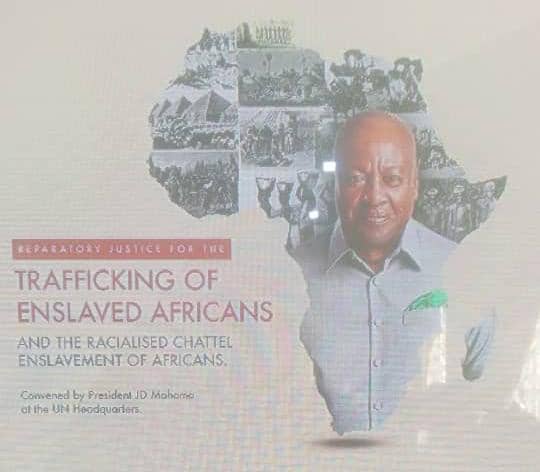
The transatlantic slave trade and chattel slavery were brutal systems that forcibly enslaved and exploited millions of Africans. The impact of these systems still affects societies today. As discussions are currently taking place at the UN headquarters, led by the president of Ghana, John Dramani Mahama, and voting is scheduled for tomorrow, do the proponents have any chance of winning the course of restitution and reparation from the transatlantic slave trade perpetuated by the slave masters?
The prospects look promising for the proponents of the resolution, led by President John Dramani Mahama, as Ghana's initiative has already gained significant support, including endorsement from the African Union and Brazil. The resolution aims to declare the transatlantic slave trade the "gravest crime against humanity" and seeks reparatory justice for the victims and their descendants.
Clearly history bears witness to the fact that no nation of the Black race or African descent has ever colonised, slave traded, attacked and massacred for whatever reason; run drug tests; or imposed commodity trading on a white nation, but the whites are guilty of all of these and still contend. These actions have left deep scars on societies and have shaped the dynamics of power and privilege that persist today. As we examine the impact of these historical injustices, it becomes crucial to address the ongoing inequalities and work towards a more equitable future for all.
In any case, the resolution's adoption could mark a significant turning point in global discussions on reparations, acknowledging the historical injustices and ongoing impacts of slavery. However, some European nations might oppose the resolution, citing concerns about holding current governments accountable for past crimes.
Given the momentum, it's likely that the resolution will pass, but its implementation and the actual delivery of reparations remain uncertain. The real challenge lies in translating this symbolic recognition into concrete actions and compensation. Addressing the complexities of reparations requires a multifaceted approach that includes legal frameworks, financial resources, and community engagement. Only through genuine dialogue and collaboration can nations begin to heal and create a more equitable future.



No comments yet. Be the first to comment!