
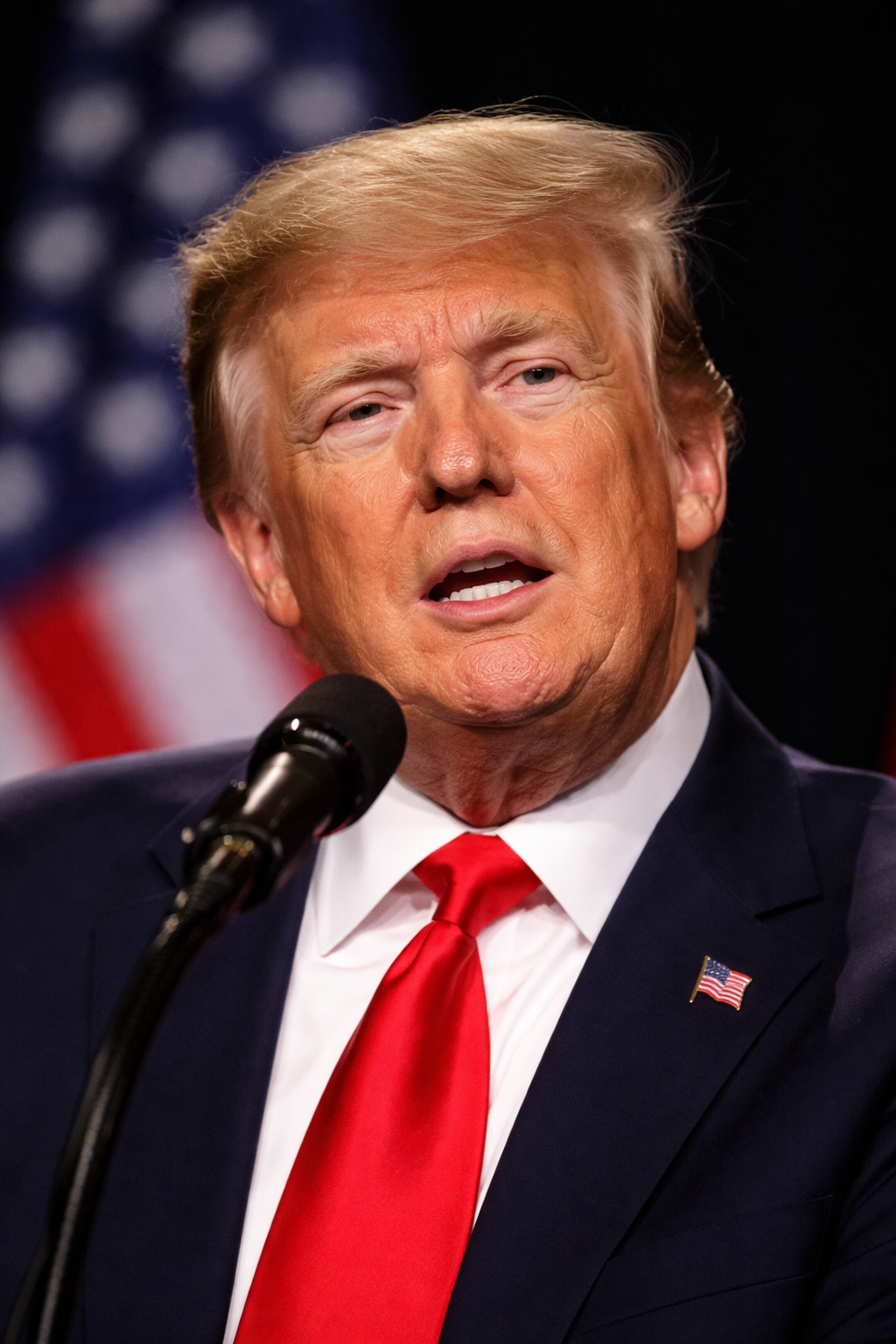
In the complex and volatile landscape of Middle Eastern geopolitics, trust is not a luxury, it is a necessity. Yet, in recent developments surrounding escalating tensions with Iran, former U.S. President Donald Trump has demonstrated a pattern of inconsistency that raises serious concerns about his credibility as a negotiating partner.
Before ascending to office, Trump positioned himself as a departure from the interventionist policies of his predecessors. He spoke forcefully against the use of American taxpayer money to fund protracted wars in the Middle East, promising restraint and a focus on domestic priorities. However, the unfolding situation suggests a stark deviation from those assurances. Military engagements and aggressive posturing toward Iran now appear to contradict the very principles that underpinned his political appeal.
This apparent shift has not gone unnoticed. Even within the United States, segments of the public and political observers are beginning to question Trump’s reliability. A leader whose words are perceived as fluid rather than firm risks eroding not only international confidence but also domestic trust. In diplomacy, such unpredictability can be dangerous.
Iran, therefore, must approach any overtures from Trump with extreme caution. Negotiations rooted in inconsistency are inherently unstable. When a leader’s position can pivot rapidly, shaped perhaps by political expediency or shifting strategic calculations, any agreement reached becomes vulnerable to sudden reversal.
Equally troubling is the rhetoric surrounding recent communication claims. Public boasting about who initiated contact, framed in a manner that suggests leverage or superiority, does little to foster an environment of mutual respect. Diplomacy thrives on discretion and sincerity, not on public displays that may serve domestic political narratives more than genuine conflict resolution.
This is not to suggest that Iran should reject dialogue altogether. On the contrary, de-escalation and negotiation remain vital tools for stability in the region. However, such processes must be anchored in credible, multilateral frameworks. International bodies with established legitimacy and neutrality offer a more dependable platform for meaningful engagement. These institutions provide safeguards, accountability, and continuity, qualities that are essential for sustainable peace.
A ceasefire or negotiation process led by an individual whose commitments are widely questioned risks becoming a strategic trap rather than a pathway to peace. Iran must recognise that entering into talks under such conditions could expose it to unforeseen vulnerabilities, particularly if assurances are later withdrawn or reinterpreted.
History has repeatedly shown that successful diplomacy depends not only on the terms of an agreement but also on the trustworthiness of those who broker it. In this context, caution is not merely advisable, it is imperative.
As tensions continue to evolve, Iran’s leadership must weigh its options carefully. The pursuit of peace should not come at the expense of prudence. A negotiation built on shaky foundations is unlikely to endure, and the consequences of miscalculation in this region are far too severe to ignore.
For now, the message is clear: diplomacy must be guided by reliability, not rhetoric. Any path toward resolution must be anchored in trust, transparency, and international legitimacy, not in the shifting promises of a single, unpredictable actor.
The Trial News






No comments yet. Be the first to comment!