
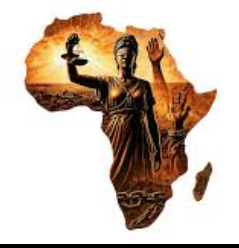
Often it's lost in the broader discussion about historical injustices. While some argue that acknowledging past wrongs is essential for healing, others contend that it can lead to divisiveness rather than unity, but neither does wash. with me.
The preponderance of the Black race, led by Ghana, demands reparation and restitution for the slave trade perpetuated by colonial masters. However, Africans are clued in and unwilling to relinquish Western religions to the true owners, the former colonial masters.
This contradiction raises questions about identity and cultural ownership, highlighting the complex relationship between historical grievances and contemporary beliefs. As discussions around reparations gain momentum, it becomes essential to address not only the financial aspects but also the broader implications of cultural heritage and spiritual autonomy.
How can you demand reparations and restitution without the course to seek your true spiritual identity and autonomy by giving out yours in turn to the colonial master? Or do we wait for them to ask before? That's a deep level of hypocrisy there. So, Ghana is all about reclaiming its cultural heritage and demanding reparations, but then you're still rocking the colonial master's faith. It's like, what's the narrative?
Ghana's push for reparations is valid, but it's wild to see the cultural and spiritual implications being glossed over. If we're talking about reclaiming heritage, shouldn't that include a revisit of imposed faiths? Or is it a case of "do as I say, not as I do"? Maybe the narrative needs to shift from just financial restitution to cultural and spiritual decolonisation.




No comments yet. Be the first to comment!