
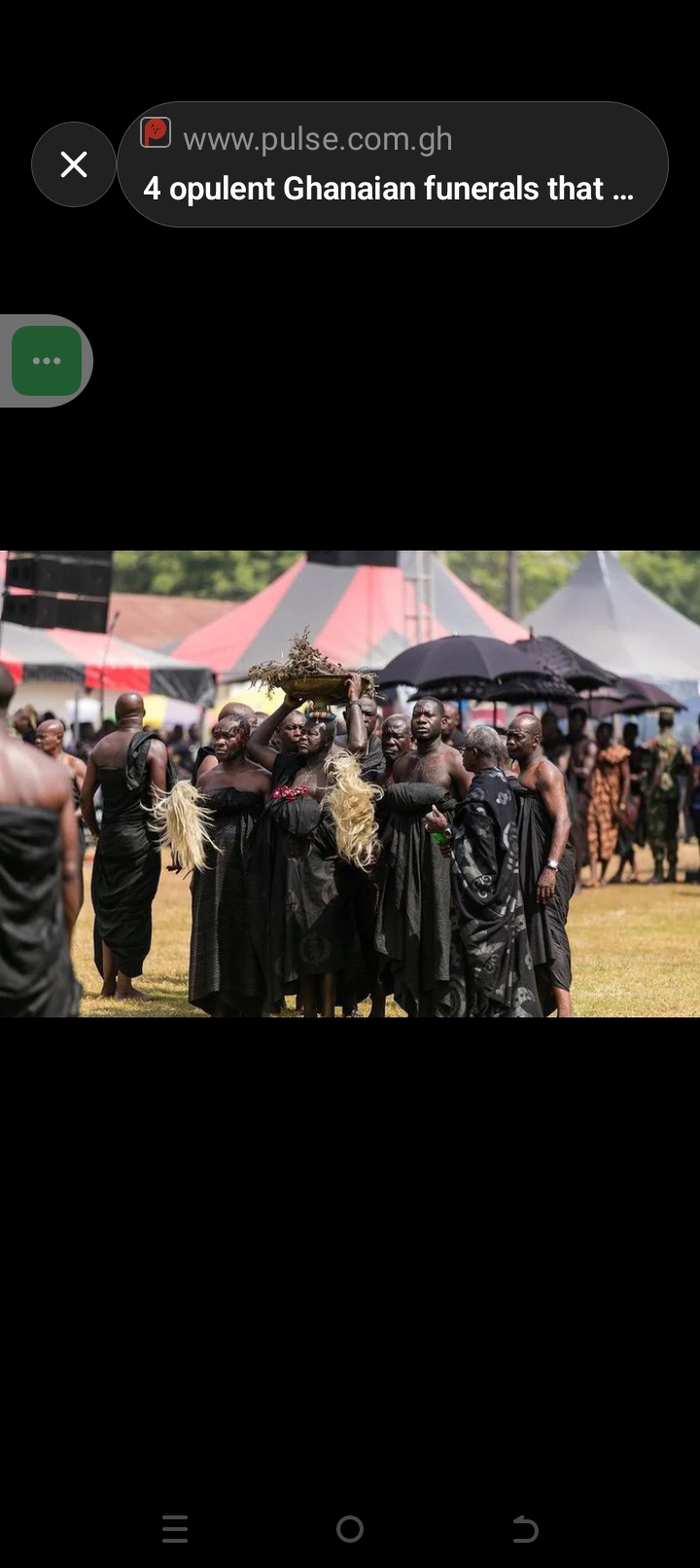
Funerals have long been an important cultural and social institution in many African societies, particularly in Ghana. They are not merely ceremonies for the disposal of the dead but important occasions for families and communities to express grief, solidarity and respect for the departed. Traditionally, funerals served as moments of reflection on the life of the deceased and as opportunities for relatives and friends to comfort the bereaved. However, in contemporary times, the nature and scale of funerals have changed significantly, often placing a heavy burden on the very people who are supposed to be comforted—the bereaved family.
The death of a loved one is one of the most painful experiences any family can face. It brings emotional distress, psychological trauma and a profound sense of loss. Under normal circumstances, the bereaved family should be given time to mourn and gradually come to terms with the passing of their relative. Unfortunately, the reality in many communities today is quite different. The bereaved are immediately confronted with the daunting task of organising a funeral that meets societal expectations.
In recent years, funerals have evolved into increasingly elaborate social gatherings that require substantial financial resources. What was once a modest and solemn ceremony has increasingly become an expensive event characterised by large crowds, elaborate decorations and extensive logistical arrangements. The bereaved family is often expected to provide a wide range of services, including the purchase of an expensive coffin, hiring canopies and chairs, printing obituary posters and funeral brochures, arranging public address systems and organising transportation for family members and guests.
The financial demands do not end there. In many cases, families must also provide food and drinks for hundreds of mourners who attend the funeral. The cost of funeral cloths for family members, cultural rites, religious services and burial arrangements further increases the financial burden. By the time all these expenses are added together, the total cost of organising a funeral can become overwhelming, especially for families with limited financial means.
For many households, the pressure to organise what is commonly described as a “befitting burial” forces them to go beyond their financial capacity. Some families resort to borrowing money from friends, financial institutions or community groups. Others sell valuable property, livestock or farmland to meet funeral expenses. While the funeral may appear successful in the eyes of the public, the bereaved family is often left behind with long-term financial difficulties.
Beyond the financial implications, funerals also place a significant emotional and psychological burden on the bereaved. Instead of focusing on mourning and healing, family members are preoccupied with planning, coordination and meeting the expectations of the community. They must attend to guests, supervise funeral arrangements and ensure that every aspect of the ceremony runs smoothly. This pressure can intensify the emotional strain that accompanies the loss of a loved one.
Another factor that contributes to the burden of funerals is the strong social expectation associated with them. In some communities, the scale and grandeur of a funeral are seen as a measure of the family's respect for the deceased. A modest funeral, even if dignified, may sometimes be criticised or interpreted as a lack of appreciation for the departed. To avoid public criticism or social embarrassment, families often feel compelled to organise lavish funerals, even when they cannot afford them.
Ironically, the very ceremonies that are meant to bring comfort to the bereaved sometimes end up deepening their hardship. When funerals become occasions for excessive spending and social display, their original purpose is overshadowed. Instead of serving as moments of solemn remembrance and reflection, they risk becoming competitive social events where families strive to outdo one another in terms of scale and expenditure.
This situation calls for serious reflection and a collective change in attitude. Communities must begin to reconsider the increasing extravagance associated with funerals and return to practices that prioritise dignity and moderation. The true value of a funeral does not lie in the amount of money spent but in the respect shown to the deceased and the compassion extended to the grieving family.
Traditional authorities, religious leaders and community opinion leaders have an important role to play in this regard. By encouraging simpler and more modest funeral practices, they can help reduce the pressure placed on bereaved families. Religious institutions, in particular, can emphasise the spiritual significance of funerals rather than the material display that often accompanies them.
Families themselves must also learn to resist unnecessary social pressure and organise funerals within their means. A simple yet dignified ceremony should be considered sufficient to honour the memory of the deceased. After all, the true legacy of a person is not reflected in the scale of their funeral but in the life they lived and the values they left behind.
Furthermore, communities should place greater emphasis on supporting the bereaved rather than imposing expectations upon them. Offering emotional comfort, practical assistance and genuine solidarity would be far more meaningful than demanding elaborate funeral arrangements.
In the final analysis, funerals should fulfil their primary purpose: to respectfully bid farewell to the departed and to provide comfort to those left behind. When society begins to focus on these fundamental values, funerals will cease to be a heavy burden on the bereaved and will once again become occasions of dignity, reflection and communal support.
Indeed, while death is inevitable, the hardship placed on grieving families in the name of honouring the dead is not. A compassionate society must ensure that funerals console the living rather than deepen their suffering.





Maxwell Sombonaah
Mar 9, 2026 11:17 amIt's true. Some deceased even suffered in life but when they passed on, a lot of wealth is displayed at their funeral grounds. So sad 😢