
Introduction
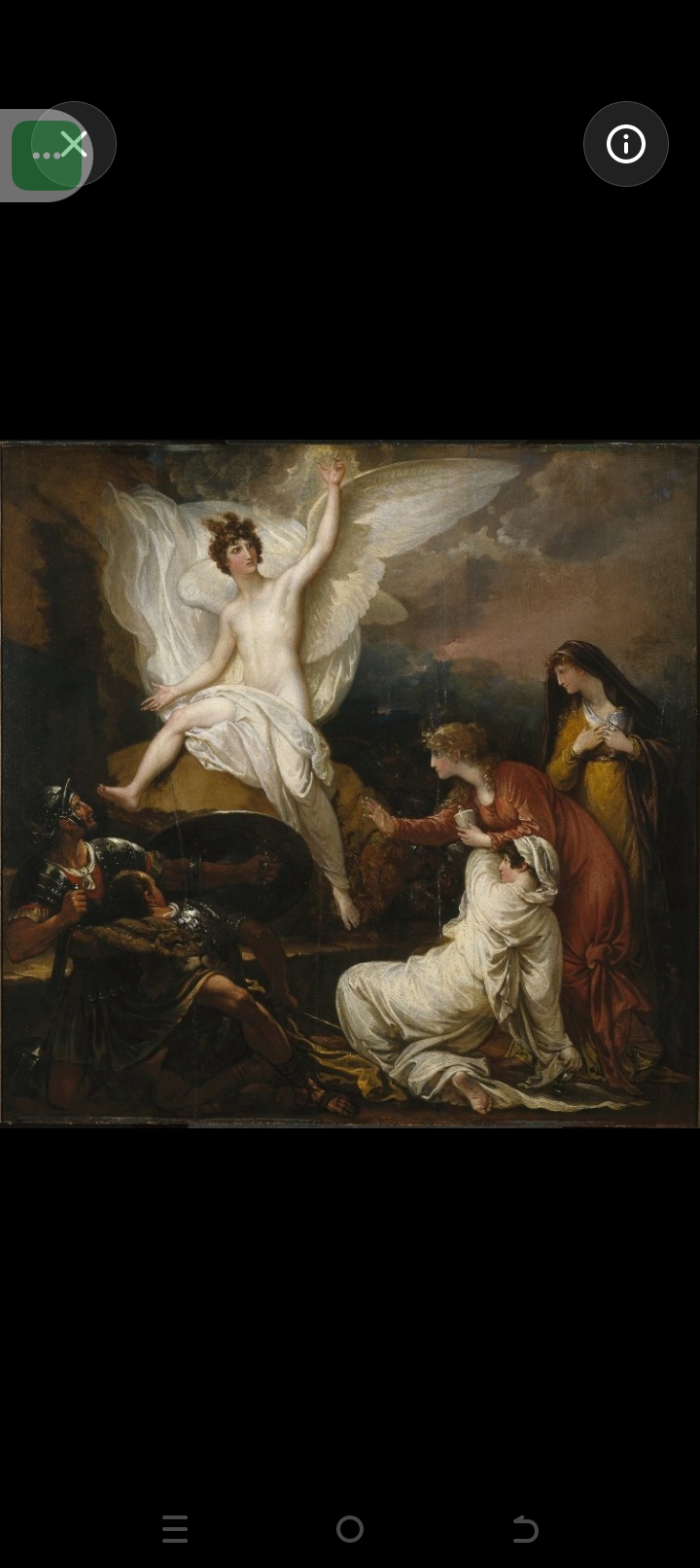
In the Catholic tradition, Easter stands as the pinnacle of the liturgical year—the feast that defines Christian identity and faith. While Christmas celebrates Christ’s birth, Easter celebrates His Resurrection, the central mystery upon which the entire Christian message rests. Everything in the Church’s liturgy, theology, and spirituality flows from the truth that “Christ is risen”. For this reason, the Church describes Easter as the “feast of feasts”, the highest celebration in Christianity.
The Theological Foundation of Easter
Easter commemorates the moment when Jesus Christ, crucified and buried, rose from the dead on the third day. This event is not merely symbolic; it is the cornerstone of Christian belief. St. Paul states emphatically:
“If Christ has not been raised, your faith is in vain.” (1 Corinthians 15:17)
The Resurrection affirms:
Christ’s victory over sin and death
The fulfilment of Old Testament prophecies
The inauguration of a new creation
The promise of eternal life for all who believe
For Catholics, the Resurrection is both a historical event and a spiritual reality that continues to transform lives.
Determining the Date of Easter
Unlike fixed feasts, Easter is movable, occurring on the first Sunday after the first full moon following the spring equinox (March 21). This ancient formula, established at the Council of Nicaea in AD 325, means Easter can fall anytime between March 22 and April 25.
This calculation also determines the dates of many other liturgical celebrations such as Pentecost, Ascension, Ash Wednesday, and the entire Lenten season.
The Easter Triduum: The Heart of the Celebration
The solemn celebration of Easter is preceded by the Easter Triduum, the Church’s holiest period of three days, marking the climax of Christ’s saving mission.
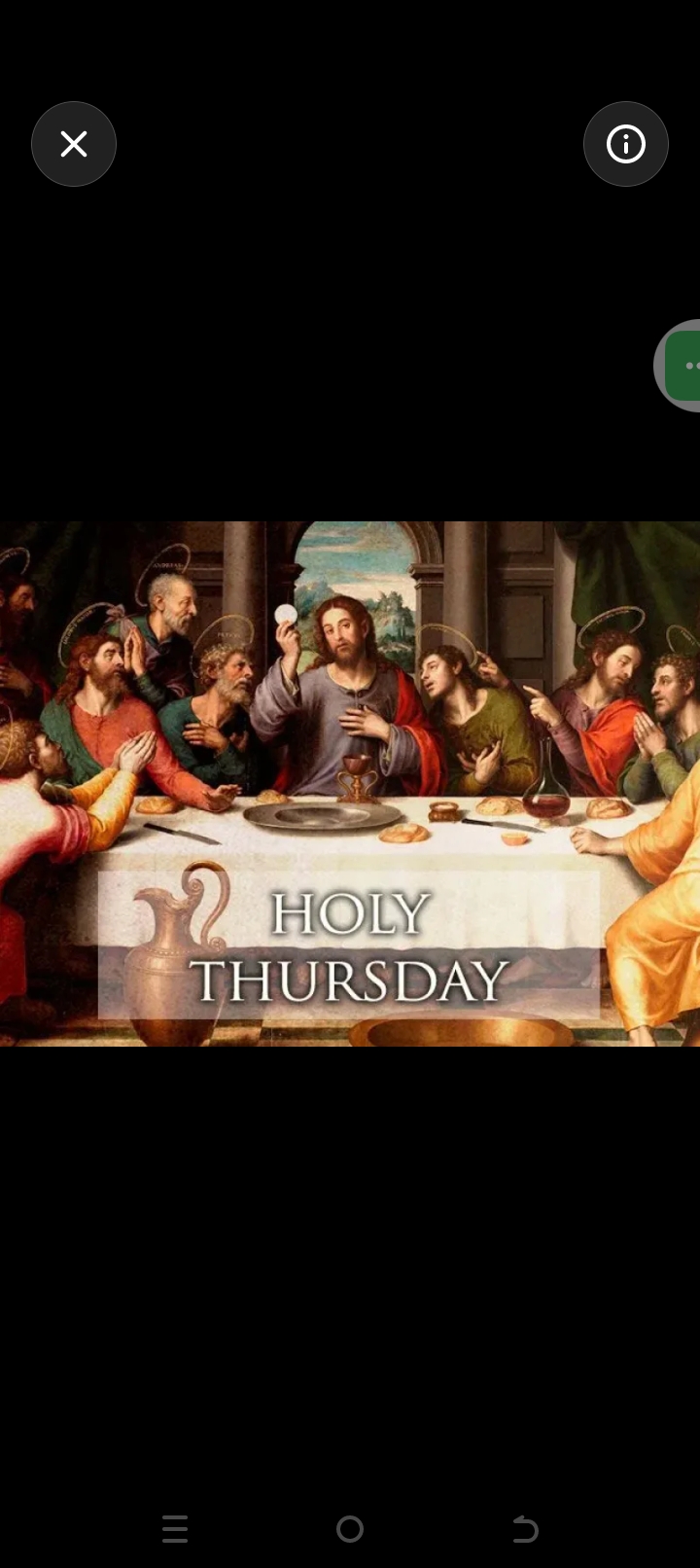
1. Holy Thursday – The Mass of the Lord’s Supper
Holy Thursday commemorates three foundational events:
The Institution of the Holy Eucharist
The Institution of the Priesthood
Christ’s Mandatum or commandment of love: “Do this in memory of me.”
The symbolic washing of feet highlights humility, service, and sacrificial love.
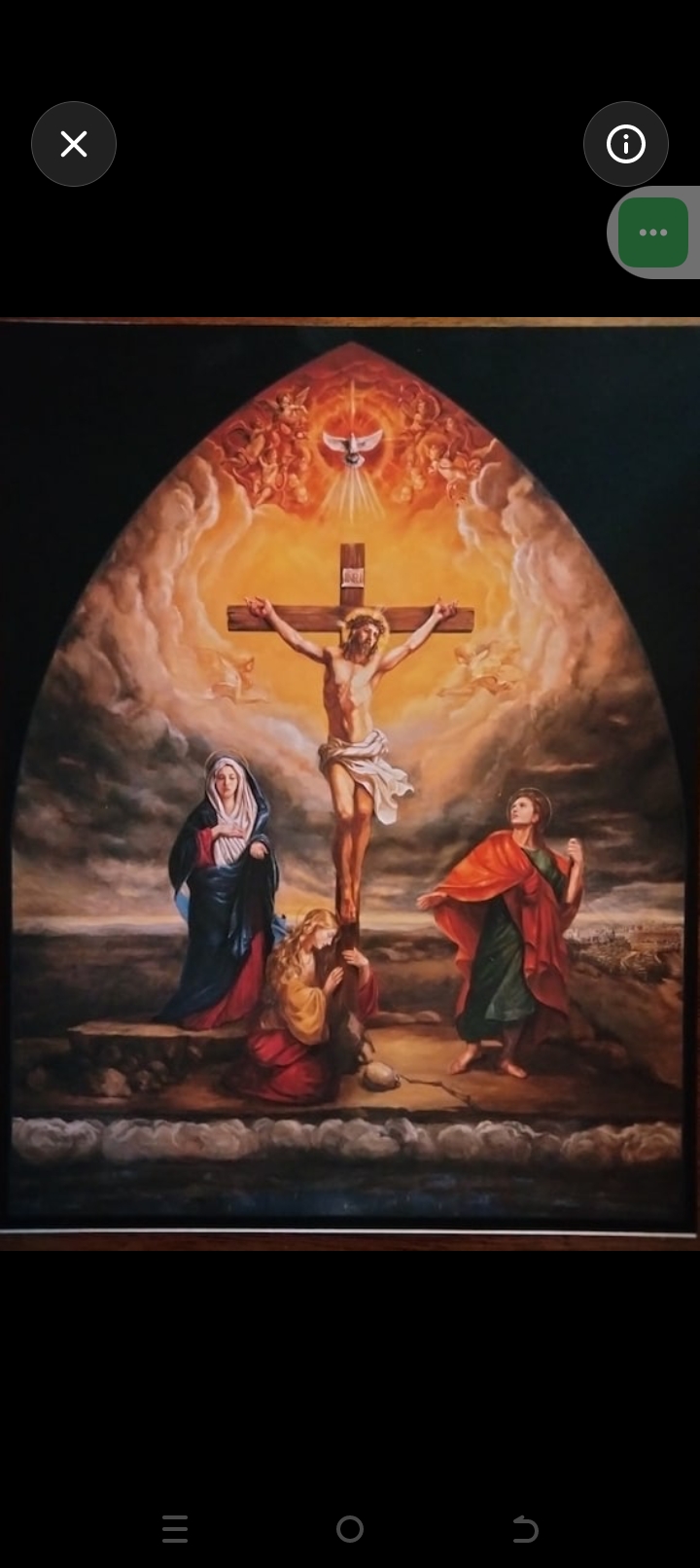
2. Good Friday – The Passion of the Lord
Good Friday solemnly recalls Christ’s suffering and crucifixion.
Key aspects include:
The reading of the Passion according to St. John
Solemn intercessions for the world
The Veneration of the Cross
Holy Communion (though no Mass is celebrated)
The day invites deep reflection on the sacrifice that brings redemption.
3. Holy Saturday – The Easter Vigil
Holy Saturday begins in silence and waiting, culminating in the Easter Vigil, which the Church calls “the mother of all vigils”.
Major elements include:
Blessing of fire and lighting of the Paschal Candle
Proclamation of the Exsultet
Scriptural readings tracing salvation history
Baptisms, Confirmations, and First Eucharist for new members of the Church
The vigil transitions from darkness to light, symbolising Christ’s passage from death to life.
Easter Sunday: The Resurrection of the Lord
Easter Sunday is the triumphant celebration of Christ’s Resurrection. The liturgy is filled with joy, Alleluia returns after its Lenten silence, and the faithful renew their baptismal promises.
The Resurrection is proclaimed not simply as a past event, but as a present and ongoing reality that shapes Christian hope and mission.
The Easter Season: Fifty Days of Joy
Easter is not a single day but a fifty-day season extending from Easter Sunday to Pentecost.
This period includes:
The Octave of Easter (8 days of continuous celebration)
Divine Mercy Sunday (Second Sunday of Easter)
The Ascension (40 days after Easter or celebrated on the following Sunday in some regions)
Pentecost Sunday, marking the descent of the Holy Spirit
The liturgical colour is white, signifying joy, purity, and triumph.
Spiritual and Pastoral Significance of Easter
Easter renews the entire Christian community. Its spiritual significance includes:
Strengthening faith in the Risen Christ
Renewing commitment to baptismal promises
Inviting deeper reflection on life, hope, and salvation
Inspiring works of charity, forgiveness, and reconciliation
Sending believers forth as witnesses of the Resurrection
The Resurrection is not only a message to be celebrated; it is a mission to be lived.
Conclusion
Easter in the Catholic calendar is far more than a feast—it is the core of Christian existence, the celebration that gives meaning to every liturgy, sacrament, and act of faith. Through the Resurrection, believers encounter the living Christ who brings hope, renewal, and the promise of eternal life.
As the Church joyfully proclaims: “This is the day the Lord has made; let us rejoice and be glad.”



No comments yet. Be the first to comment!