
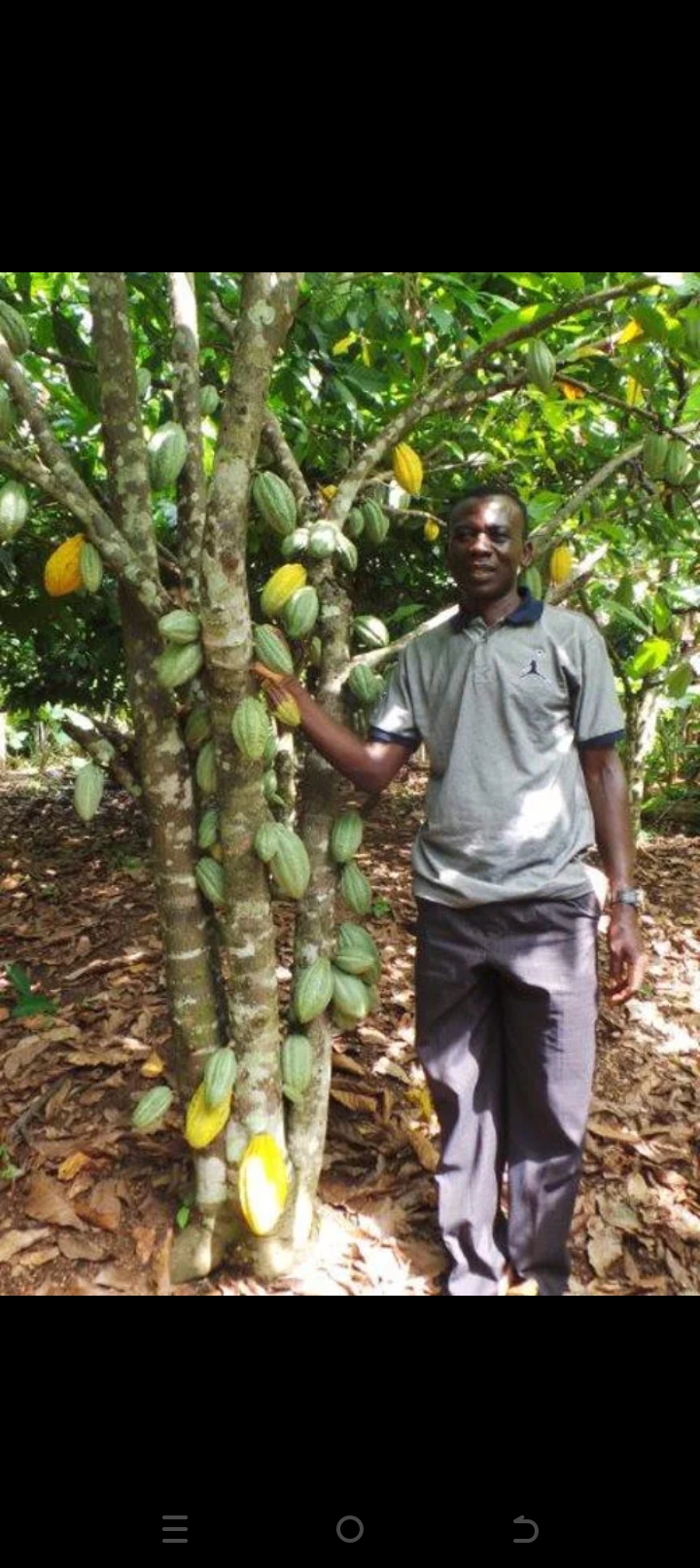
Cocoa farming has long been the backbone of many rural economies, especially in countries like Ghana and Côte d’Ivoire, which together produce a large share of the world’s cocoa. The crop sustains millions of farmers and contributes significantly to national revenue. Yet, behind the sweetness of chocolate lies the hardship and struggle of the cocoa farmer.
Low and Unstable Income
One of the greatest challenges cocoa farmers face is low income. Despite the high global demand for chocolate, farmers often receive only a small fraction of the final price. Fluctuations in world market prices make earnings unpredictable, leaving farmers unable to plan for their families’ needs or reinvest in their farms.
Rising Cost of Farm Inputs
Fertilisers, pesticides, and farm tools have become increasingly expensive. Many farmers cannot afford these inputs, leading to reduced productivity and declining farm quality. Without adequate financial support or access to affordable credit, farmers remain trapped in a cycle of low yield and low income.
Climate Change and Environmental Threats
Changing rainfall patterns, prolonged droughts, and extreme weather conditions have negatively affected cocoa production. Cocoa trees are sensitive to climate conditions, and unpredictable weather can significantly reduce yields. Additionally, pests and diseases such as the swollen shoot virus continue to destroy farms.
Ageing Farmers and Lack of Youth Interest
Many cocoa farmers are ageing, and younger generations are reluctant to enter the profession. They often see cocoa farming as labour-intensive and less profitable compared to other opportunities poses a threat to the future sustainability of cocoa production.
Poor Infrastructure and Limited Support
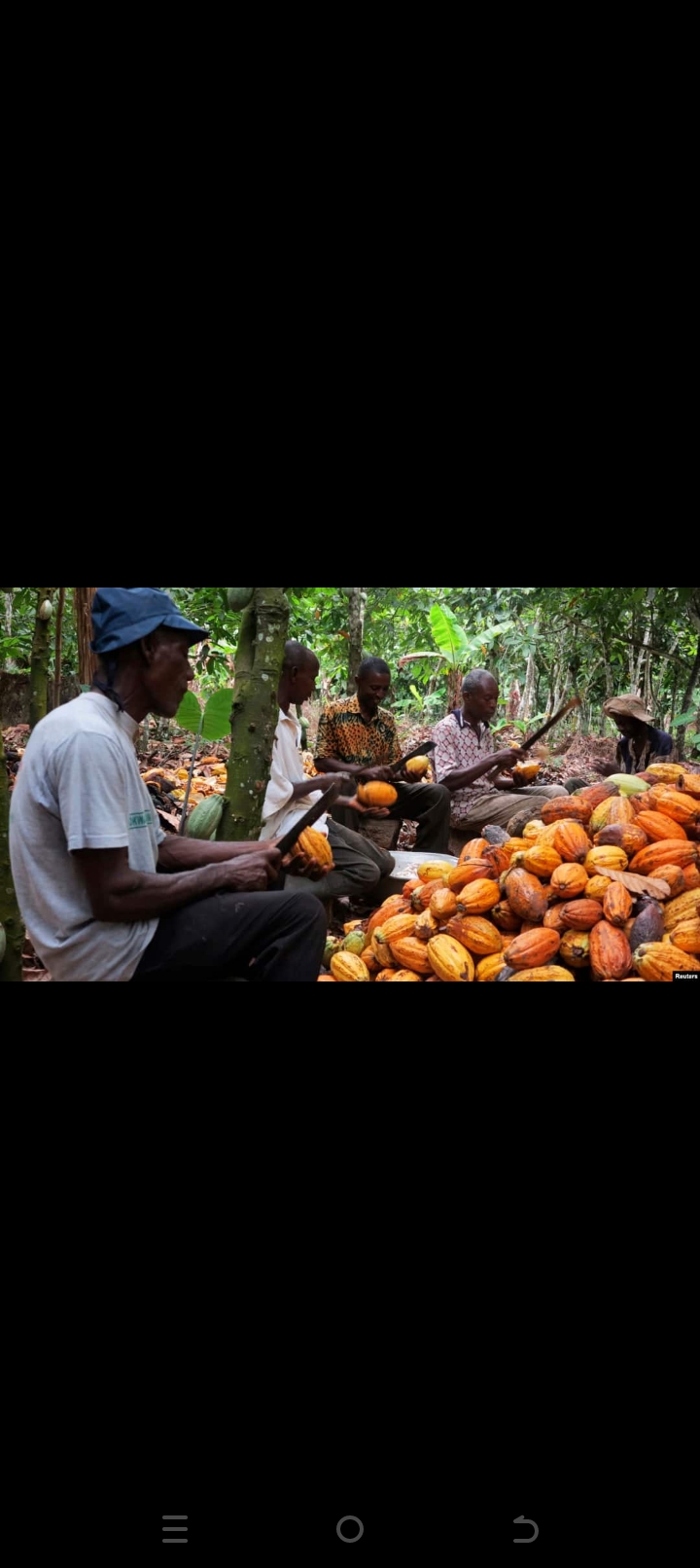
In many cocoa-growing communities, poor roads make it difficult to transport cocoa beans to markets. Limited access to storage facilities, extension services, and modern farming techniques further reduces farmers’ efficiency and income.
Way Forward
To improve the lives of cocoa farmers, governments and stakeholders must ensure fair pricing, provide subsidies for farm inputs, improve rural infrastructure, and promote modern farming methods. Encouraging youth participation and investing in climate-resilient cocoa varieties are also essential.
Conclusion
Cocoa farmers play a vital role in sustaining economies and satisfying global demand for chocolate. However, their sacrifices often go unnoticed. Supporting cocoa farmers is not only an economic necessity but also a moral responsibility. When farmers thrive, communities prosper, and the future of cocoa remains secure.






No comments yet. Be the first to comment!