

Today marked yet another National Farmers’ Day celebration — the 41st since Ghana first instituted the event to honour the men and women whose labour sustains the nation. The day is symbolic, a reminder that without farmers, millions would go hungry. Their contribution to food production, trade, and national economic stability cannot be overstated.
But beyond the speeches, cultural displays and photo sessions, one question quietly hangs in the air: Are our farmers truly satisfied with the rewards they receive?
Each farming season, farmers clear land, plough fields, purchase inputs, sow seeds, and endure long months of uncertainty before harvest. With such investment, one would expect recognition in the form of grants, machinery, subsidised inputs, soft loans, or mechanisation support — not merely cutlasses and hoes. Valuable as these tools may be, they fall short of the scale of sacrifice farmers make season after season.
Yet, the issue of inadequate rewards is only part of a much bigger concern — the devastating impact of illegal mining. Galamsey continues to destroy farmlands, degrade fertile soil, and pollute rivers that serve as irrigation and drinking water sources for rural communities. If this destruction continues, the future of agriculture — and national food security is at risk.
We cannot look away.
If we fail to stop galamsey today, future generations will inherit barren land, poisoned water, and a hunger crisis too severe to control. The adage remains true: a hungry man is an angry man. A nation facing food scarcity is a nation flirting with instability.
This is why a stronger, more strategic fight against galamsey must be prioritised — not just as an environmental issue, but as a national security emergency.
Beyond enforcement, education is equally critical. Farmers must be empowered to understand climate change, adopt climate-resilient farming systems, conserve soil fertility, and protect the environment that sustains them. Integrating climate-smart agriculture into the school curriculum from upper primary to tertiary level will prepare the next generation to farm sustainably and innovate beyond traditional methods.
Farmers can only be celebrated if they still have land to farm.
Without fertile land, there is no farming — and without farming, there is no food.
As we mark this year’s Farmers’ Day, let it not end with speeches. Let it inspire bolder national commitment to protect land, empower farmers, and secure our food future.
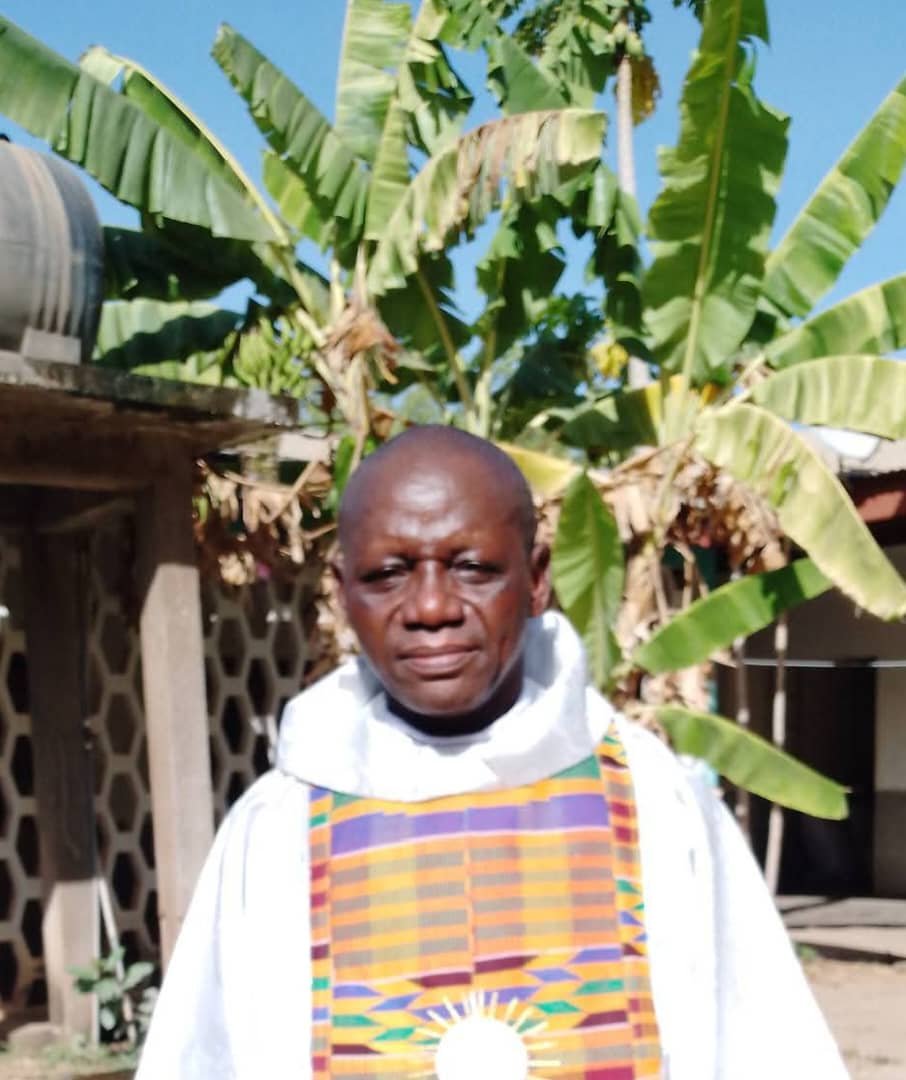
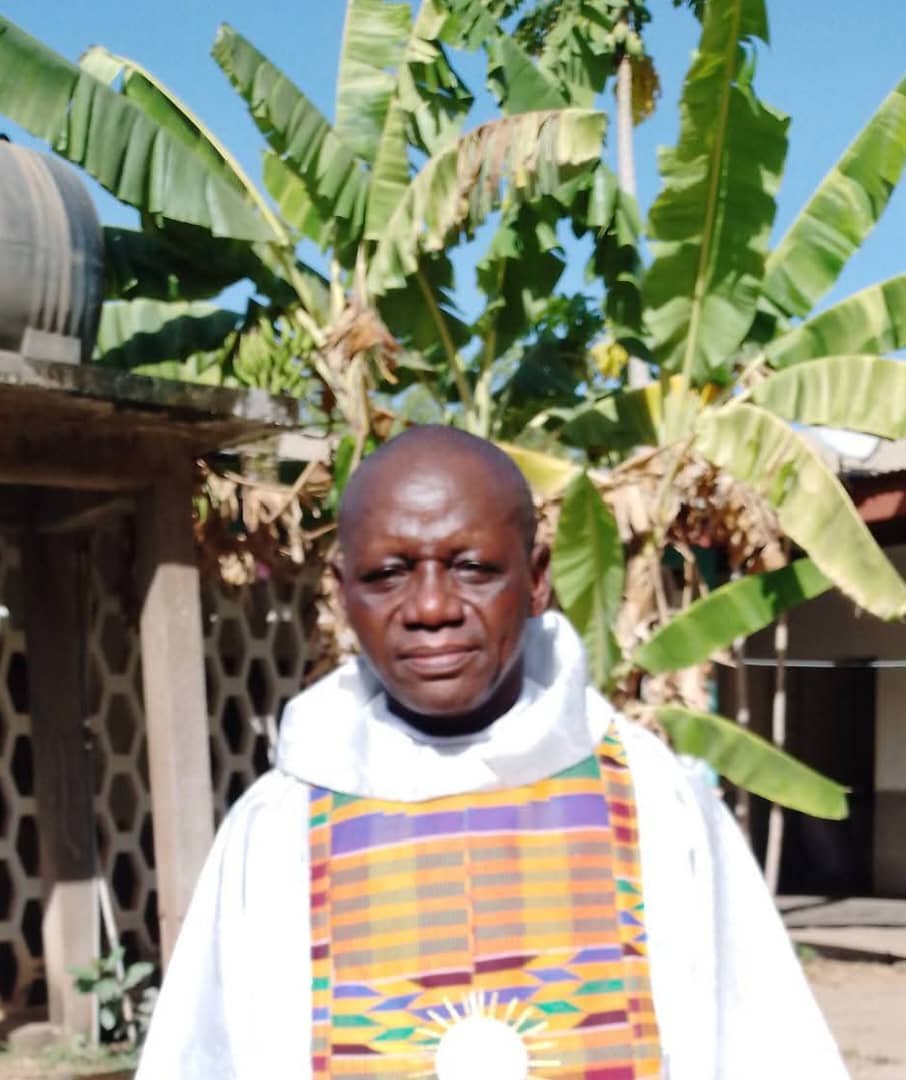
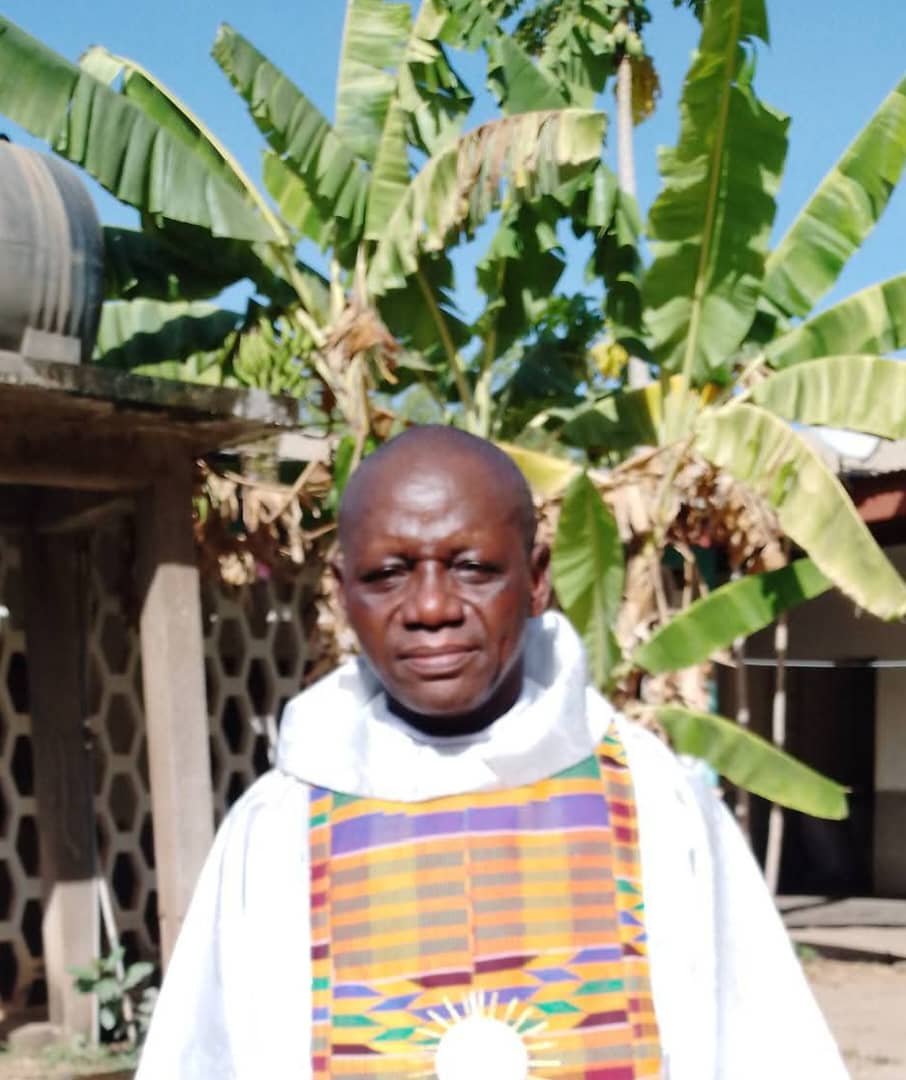
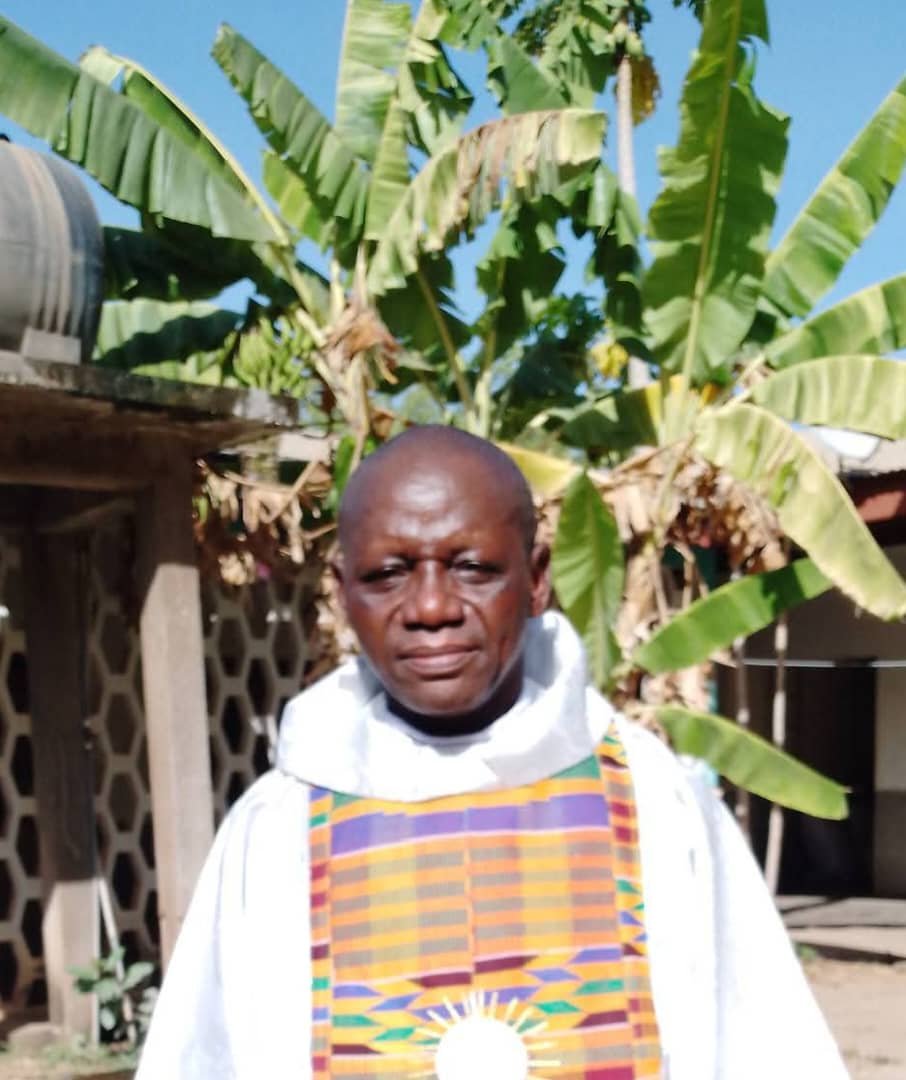
Writer: Francis Angbabora Baaladong,
Director, Disong EcoFarmers Network Ghana (DEN-GH),
Nadowli-Kaleo District.



No comments yet. Be the first to comment!