
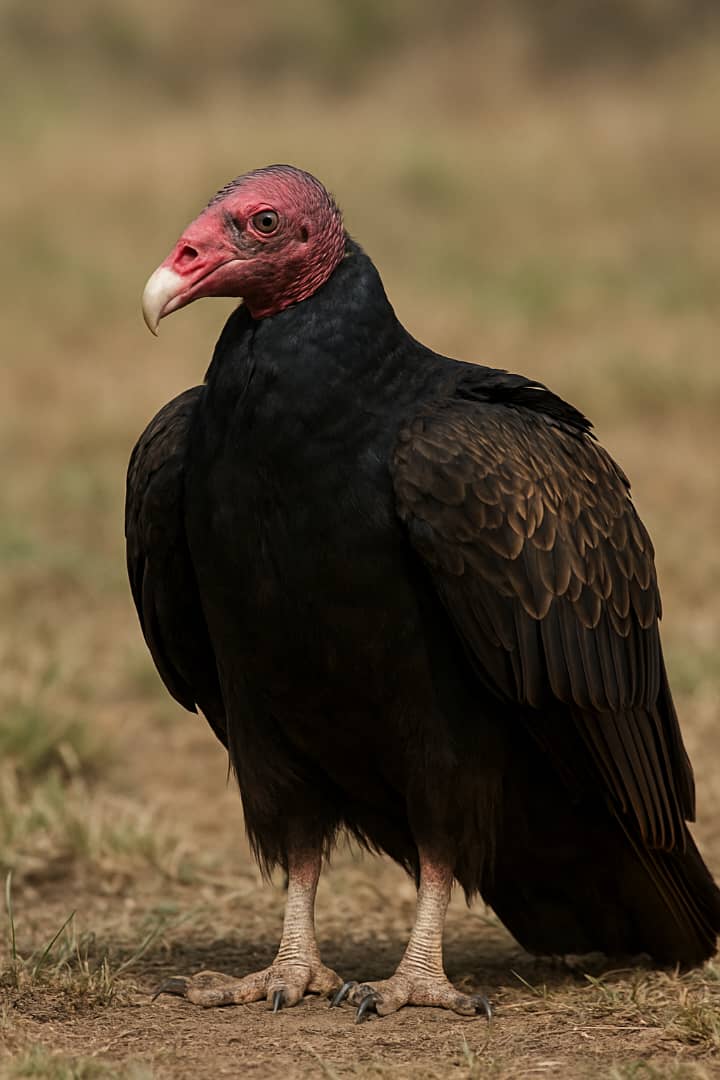
In the vast and intricate balance of nature, every creature carries a unique trait that ensures its survival. Some animals depend on strength, others on speed, and some on camouflage. Yet among all these, the vulture stands apart—not for elegance or charm, but for a remarkable quality that defines its very existence: patience. This quiet endurance has earned it the timeless title, “The Patient Bird.”
A Creature Built on Patience
Vultures are not hunters. They do not stalk prey or engage in dramatic chases across the savannah. Instead, their survival strategy is rooted in waiting. They glide high in the sky, conserving energy as they observe the world below. With extraordinary vision, they spot opportunities from distances humans can hardly imagine. But even then, they do not dive hastily. They continue to circle, watching and studying the situation.
This deliberate slowness is not laziness; it is strategy. A vulture may wait hours—even days—before descending to feed. It knows that timing is everything.
Masters of Observation
From their lofty vantage points, vultures teach a powerful lesson in observation. They move with the wind, letting the rising thermals lift them effortlessly. As they soar, they patiently watch for signs of vulnerability—an unmoving animal, a shadow on the ground, or the movement of other scavengers.
A vulture does not make decisions based on impulse. It is guided by careful assessment. This thoughtful approach ensures safety, as rushing into a kill site can expose the bird to larger predators or hostile scavengers. The vulture’s patience is therefore both a shield and a strategy.
Resilience in the Face of Scarcity
Life in the wild is unpredictable. Food is not guaranteed, yet the vulture adapts to scarcity with astonishing resilience. Unlike other animals that panic when resources dwindle, the vulture remains calm. It relies on endurance and an unwavering trust in nature’s rhythm: what is meant to come will come.
Its ability to survive long periods without food is a testimony to this endurance. Instead of exhausting itself searching, a vulture waits for nature’s provision, conserving energy and avoiding unnecessary risks.
A Silent Teacher of Life’s Lessons
The vulture’s behavior mirrors several principles relevant to human life:
1. The Power of Waiting
Not every opportunity must be chased. Sometimes the right moment arrives only after a period of patience.
2. Strength Is Not Always Loud
While lions roar and eagles strike swiftly, the vulture thrives quietly. Its strength lies in calm persistence rather than force.
3. Observation Leads to Wisdom
Careful watching and assessing a situation often bring better results than acting in haste.
4. Endurance Is a Virtue
Just as the vulture survives on patience, humans can achieve more when they persevere through tough times.
Ecological Importance
While frequently misunderstood, vultures are essential to the environment. By feeding on carcasses, they prevent the spread of diseases and help maintain a clean, healthy ecosystem. Their patience, therefore, contributes not only to their survival but also to the well-being of other species—including humans.
Conclusion
The vulture is truly the patient bird, a quiet symbol of endurance, wisdom, and the strength found in waiting. Though often overlooked or even feared, it carries a powerful message: in nature—and in life—not everything is achieved through speed or aggression. Sometimes, the greatest victories belong to those who wait, observe, and trust the timing of events.

No comments yet. Be the first to comment!