
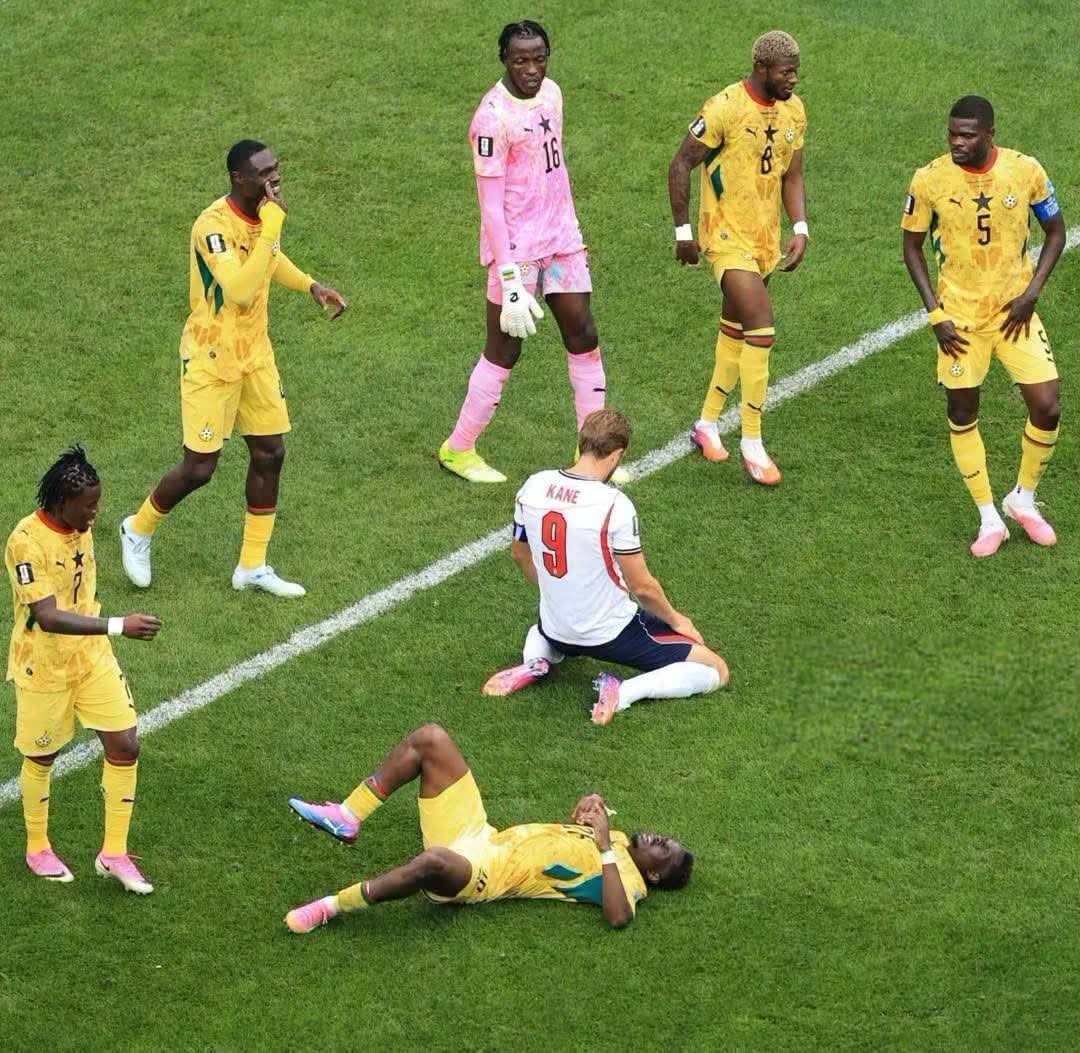
As the FIFA World Cup unfolds, the tournament continues to provide thrilling football and memorable moments. Yet beyond the excitement on the pitch, a number of developments have left many Africans questioning whether the principles of fairness and equal treatment are being applied consistently to all nations and individuals involved in the competition.
The World Cup is more than a sporting event. It is a global celebration that brings together people from different cultures, races, and continents under the banner of unity and fair play. It is therefore understandable that any perceived injustice attracts scrutiny and debate from football fans around the world.
One issue that has generated concern is the reported visa denial involving a Somali referee. Many observers have argued that FIFA appeared reluctant to intervene despite the potential implications for the official's participation in the tournament. Critics contend that if a similar situation had involved a high-profile official from Europe or another influential football region, stronger efforts might have been made to resolve the matter. Whether this perception is justified or not, the fact that such questions are being raised should concern football's governing body.
A second controversy involves the refusal of Canadian authorities to grant entry to Ghanaian footballer Thomas Partey. Supporters of the player argue that the decision raises important questions about fairness and due process. They point out that allegations alone do not amount to guilt and that legal systems across the world operate on the principle that an individual remains innocent until proven guilty. Consequently, many Ghanaians have struggled to understand why a player who has not been convicted of any offence would be prevented from participating in the tournament.
While sovereign nations undoubtedly possess the authority to determine who enters their territory, critics argue that FIFA should demonstrate greater concern when such decisions have a direct impact on the integrity and competitiveness of the World Cup. The absence of a visible effort to seek a solution has contributed to the perception that the concerns of African nations do not always receive the same level of attention as those of football's traditional powers.
Perhaps the most emotionally charged issue arose during Ghana's match against England. Many Ghanaian supporters remain convinced that their team was denied a legitimate penalty. Football is a game in which referees must make difficult decisions within seconds, and mistakes are an unfortunate reality of the sport. However, controversies become particularly sensitive when supporters believe that such decisions consistently work against smaller football nations while benefiting more established powers.
Whether the disputed incident was an error of judgment or not, it has reignited long-standing concerns about officiating standards and the mechanisms available to ensure accountability. In an era of advanced technology and video review systems, fans expect greater transparency when major decisions influence the outcome of important matches.
It is important to state that perceptions are not always evidence. Nevertheless, perceptions matter because they shape public confidence in institutions. When large numbers of football supporters begin to question the neutrality of FIFA, the organisation has a responsibility to respond openly and convincingly.
African football has made enormous contributions to the global game. African players, coaches, referees, and supporters continue to enrich the World Cup with their talent, passion, and commitment. They deserve to feel that they are participating in a competition where every nation, regardless of geography or influence, receives equal treatment under the rules.
The concerns currently being expressed by many Africans should not be dismissed as mere frustration. Rather, they should serve as an opportunity for FIFA to reaffirm its commitment to fairness, transparency, and equality. The credibility of the World Cup depends not only on the quality of football played on the field but also on the confidence that every participant is being treated with dignity and impartiality.
If FIFA truly wishes to be seen as the guardian of the world's game, it must ensure that justice is not only done but is also seen to be done.
The Trial News


No comments yet. Be the first to comment!