
One of Ghana’s most persistent governance failures is our tendency to address problems only after they have matured into national crises. Time and again, we have demonstrated an unfortunate preference for reaction over prevention, intervention over foresight, and damage control over responsible leadership.
The consequences of this approach are evident across multiple sectors of national life.
The devastating impact of illegal mining, popularly known as galamsey, did not emerge overnight. Long before rivers turned brown and forests disappeared, there were warning signs. Small-scale illegal mining activities were allowed to flourish, often in full view of authorities. Today, the nation is paying a heavy price for years of inaction, weak enforcement, and political expediency. While governments continue to launch campaigns against galamsey, many citizens remain unconvinced that the political will exists to confront the problem at its roots.
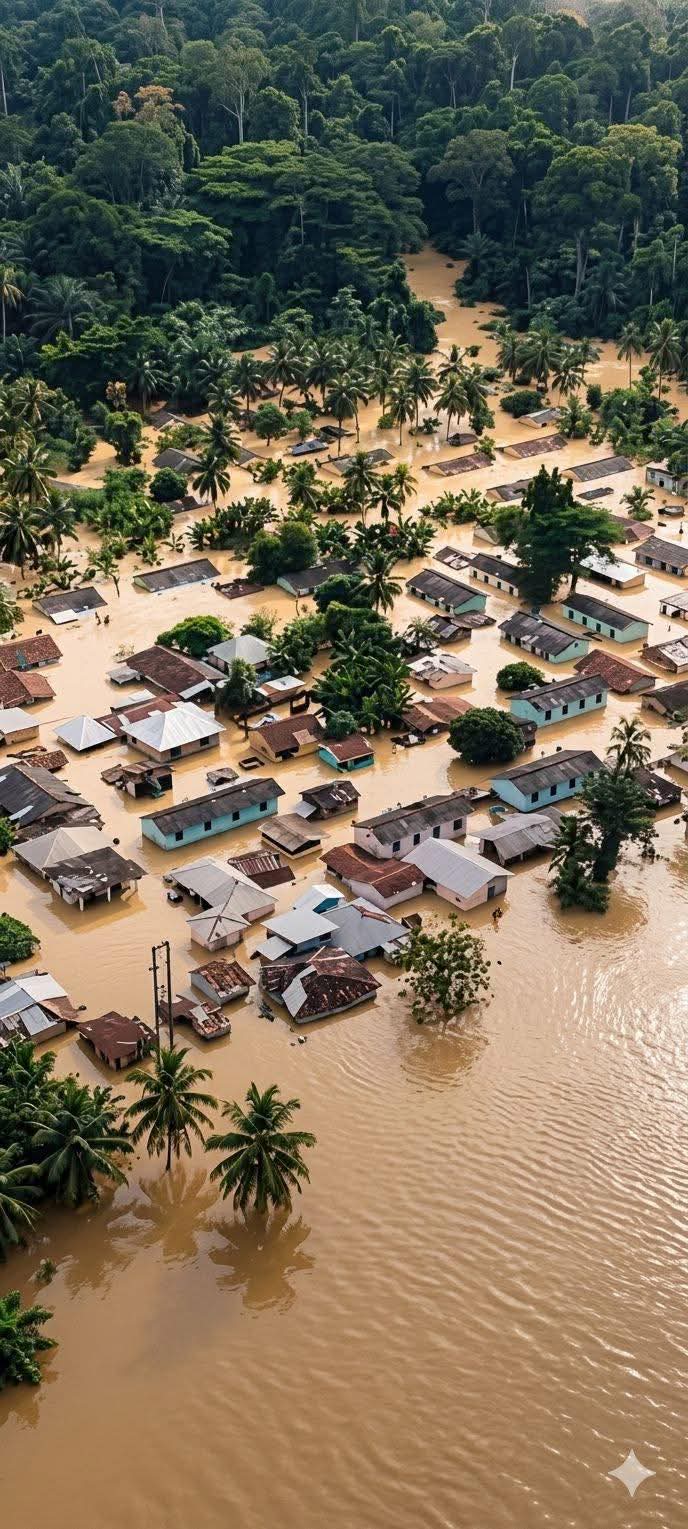
The story is no different when it comes to flooding. Every rainy season brings familiar scenes of submerged homes, damaged infrastructure, lost livelihoods, and, tragically, lost lives. Yet these disasters are often the result of human decisions that authorities have tolerated for years. Unauthorised structures continue to appear on waterways, wetlands, and drainage corridors despite existing regulations. Predictably, public officials become vocal only after floods strike, promising action that should have been taken long before the disaster occurred.
These recurring failures raise a broader question: Have we developed a culture of governance that waits for crises before acting?
This concern becomes even more urgent when examining emerging security threats. Across the country, there are growing reports of individuals and groups operating under the banner of private security while displaying military-style attire and, in some cases, carrying sophisticated weapons. While licensed private security services perform legitimate functions, the unchecked growth of armed groups operating with questionable oversight should attract serious attention from security agencies and policymakers.
History offers countless examples of how poorly regulated armed groups can evolve into criminal organisations, violent militias, or threats to state authority. Responsible governments do not wait for such groups to become entrenched before taking action. They identify risks early, enforce regulations firmly, and ensure that the monopoly of force remains firmly in the hands of the state.
Equally troubling are allegations that some of these groups receive patronage from politically connected individuals, wealthy elites, and other influential actors. If these claims hold any truth, they represent a dangerous erosion of the rule of law and a threat to national security. The law cannot be selective. It cannot apply strictly to ordinary citizens while powerful interests operate beyond scrutiny.
The role of leadership extends beyond managing economic indicators and winning elections. Governance is fundamentally about safeguarding the future. It requires the ability to identify threats before they escalate, enforce laws without fear or favour, and place long-term national interests above short-term political calculations.
Ghana cannot afford to continue governing through crisis. Whether the issue is environmental destruction, unplanned urban development, or emerging security concerns, the lesson remains the same: prevention is always less costly than cure.
The nation must move beyond a culture of reaction and embrace a culture of foresight. Our institutions must become proactive rather than reactive. Our leaders must demonstrate courage rather than convenience. And our collective commitment to the rule of law must be stronger than our tolerance for negligence.
The warning signs are before us. The question is whether we will act now—or wait until the next preventable disaster forces us to.







Rudolf Domapielle
Jul 8, 2026 3:39 pmVery well said. I enjoy reading your write-ups. More vim.