
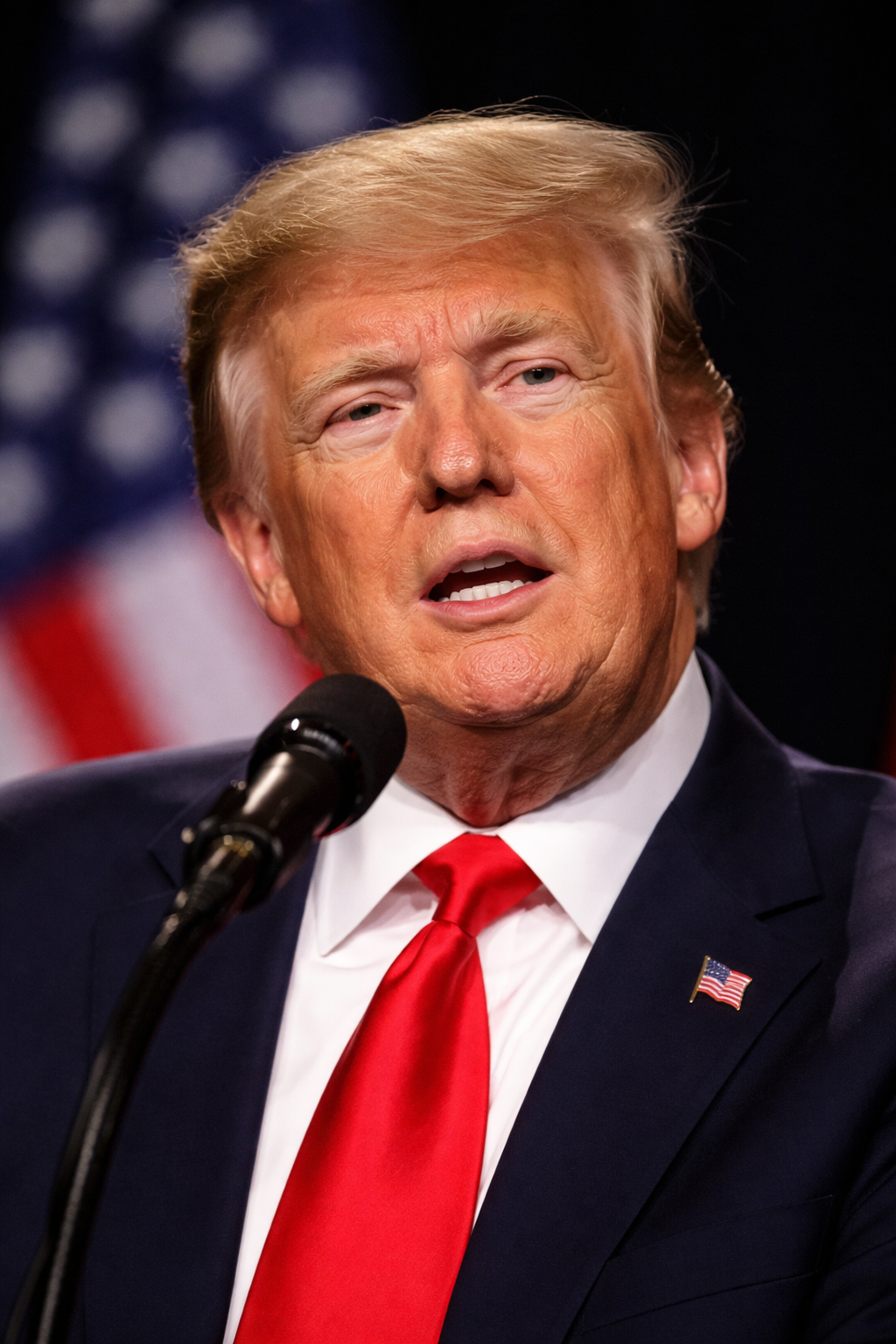
In the evolving landscape of global politics, power has always been exercised through influence. But under Donald Trump, that influence has increasingly taken on a coercive and punitive character, where aid, visas, and diplomatic engagement are no longer tools of partnership, but instruments of pressure deployed to enforce compliance.
At the heart of this approach lies a troubling doctrine: align with Washington or face consequences. Across multiple regions, access to funding, immigration pathways, and diplomatic goodwill has been recalibrated into a system of conditional loyalty. Nations that resist certain policy demands risk punitive withdrawals, while those that comply are rewarded. This shift signals a departure from multilateral cooperation toward a more transactional, and often intimidating, model of engagement.
Recent policy patterns reveal a consistent strategy—leveraging access to the United States and its resources to bend nations and individuals into submission. The suspension of immigrant visas affecting several countries illustrates how mobility itself has been turned into a bargaining chip. Financial support that once flowed through humanitarian and development partnerships is increasingly tied to political alignment, reducing long-standing relationships to instruments of influence rather than cooperation.
Even more concerning is the growing perception that criticism of U.S. policy invites retaliation. The targeting of dissenting voices, whether through immigration restrictions or institutional pressure, raises serious questions about the tolerance for opposing views. When critics, including intellectuals, activists, or global figures, find themselves under scrutiny or sanction, the message becomes unmistakable: disagreement carries consequences.
The tensions between Donald Trump and Pope Francis further underscore this dynamic. Calls from the Vatican for peace, diplomacy, and restraint in global conflicts have been met with sharp criticism rather than engagement. When moral appeals for dialogue are dismissed or met with hostility, it reflects a broader unwillingness to accommodate perspectives that challenge the prevailing agenda.
Beyond economic and diplomatic coercion lies an even more alarming trend: the embrace of military confrontation. The rhetoric and actions surrounding tensions with Iran, as well as earlier pressures on Venezuela, reveal a pattern in which force is prioritised over negotiation. Allies have been openly criticised for hesitating to join military efforts, while calls for diplomacy are often framed as weakness rather than prudence.
Such an approach carries profound consequences. It weakens international institutions, undermines trust among allies, and normalises a politics of intimidation. It also places vulnerable populations, migrants, civilians in conflict zones, and aid beneficiaries, at the mercy of geopolitical manoeuvring. When assistance is withheld or granted based on compliance rather than need, the humanitarian cost becomes impossible to ignore.
This posture is not without consequence for the United States itself. Long regarded as a global symbol of democratic ideals and moral leadership, the country’s international image is increasingly under strain. Analysts and observers warn that sweeping cuts to aid, democracy promotion, and humanitarian engagement are eroding America’s soft power and diminishing its standing as a model others once looked up to. Even allies have begun to question its reliability, while critics argue that the retreat from principled leadership leaves a vacuum that other global powers are eager to fill.
Global leadership demands restraint, respect for dissent, and a commitment to shared humanity. The use of aid, visas, and military power as tools of coercion represents a departure from these principles. What is at stake is not merely policy direction, but the integrity of international relations itself.
The world is watching, and history will judge accordingly.
The Trial News







No comments yet. Be the first to comment!