
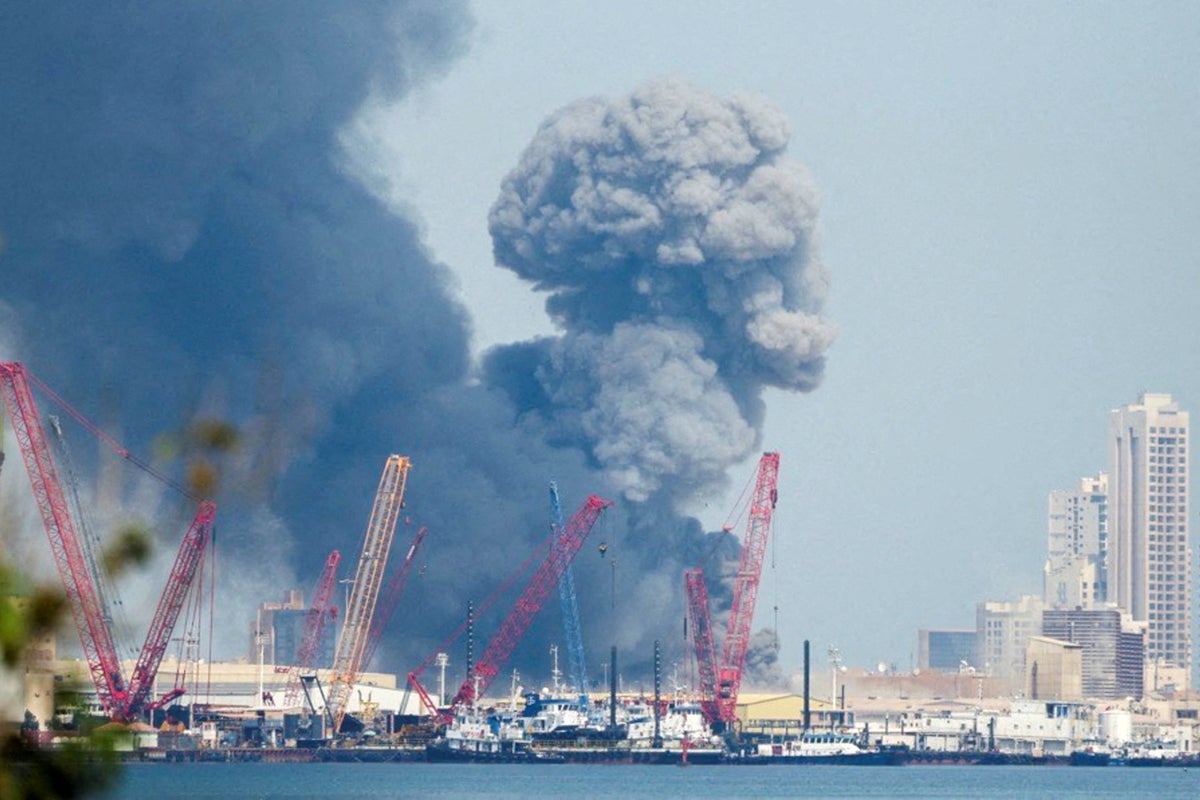
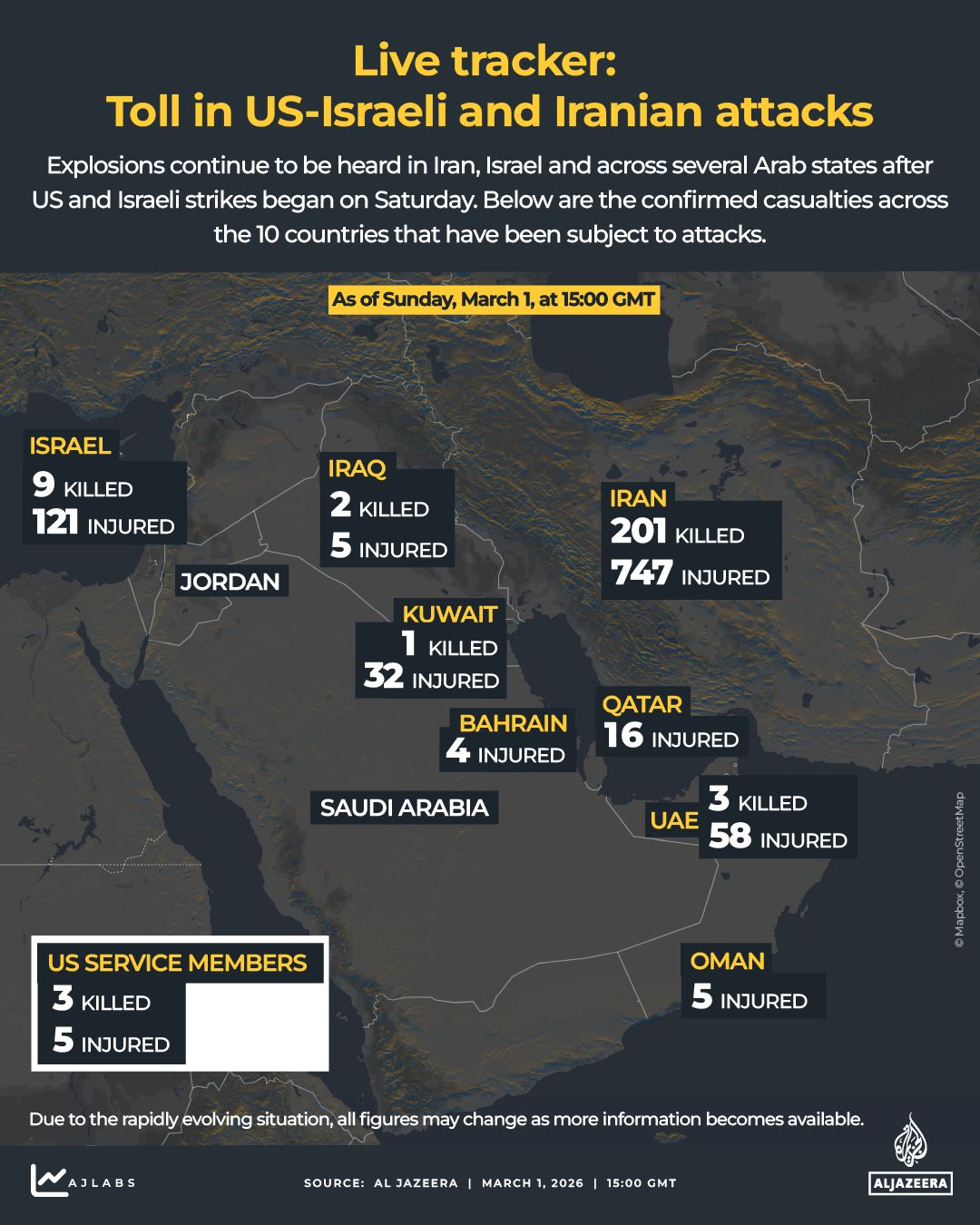
Iran recently launched missiles at several American military bases in the Middle East. Earlier reports stated that the attacks were in response to a joint US-Israeli strike on Iran. In warfare, any form of intimidation in retaliation, whether directly or indirectly, is considered a counterattack on the opponent, and Tehran recently did just that after vowing to counter the US-led strikes earlier on.
Shamefully, the Iranian attacks are reported to have targeted the following US military bases in propinquity, and mentioned was Bahrain, where the US Navy's Fifth Fleet headquarters is situated, which is a key American naval command in the region. Qatar is one with Al Udeid Air Base, the largest US military facility in the region. The United Arab Emirates (UAE) was attacked at Al Dhafra Air Base, which hosts the US 380th Air Expeditionary Wing.
Little Kuwait was not left off the hook for providing the grounds for Ali Al Salem Air Base, which hosts the 386th Air Expeditionary Wing. As though that would have ended the list, Jordan, because of its Muwaffaq al-Salti Air Base, which hosts the Air Force's 332nd Air Expeditionary Wing, was attacked by Tehran. Similarly, Iraq's Erbil International Airport, which hosts US military personnel, was attacked, while Saudi Arabia has had targets in Riyadh attacked, and the eastern region was also hit as well.
A careful reconnaissance of the Middle East bloc is mapped to have all the nations described as neighbours. Ideally, they were supposed to be each other's keepers, yet one cannot imagine what is wrong with the leaders in the bloc. What is fuelling the regional instability is disunity and disrespect among nations in the region. Individual nations, out of insecurity borne by the aforementioned traits, will prefer to align with nations outside the region for support in times of being attacked by neighbouring countries.
Unarguably, the nations of the Middle East think the saviour to the self-inflicted instability must be an outsider to the regional bloc and opt for none other than the United States. This they have practically refused to know: that they are the very nations that must act as their own saviours to themselves.
However, they seem to live in the oblivion of this palpable fact of life, and it's costing them precious lives. Instead of relying on external forces, these nations could benefit from fostering unity and cooperation among themselves. By prioritising dialogue and understanding, they might discover that the solutions to their challenges lie within their own borders rather than in the hands of foreign powers.






No comments yet. Be the first to comment!