

The long-running chieftaincy conflict in Bawku has taken a heavy toll on the people, the economy, and the collective conscience of the nation. While history, identity, and tradition remain important, there comes a time when societies must pause, reflect, and ask a more urgent question: What future are we building for our children?
Today, Bawku needs peace more than arguments. It needs classrooms filled with pupils, not emptied by fear. It needs markets buzzing with trade, not shuttered by insecurity. It needs farmers, traders, artisans, and professionals to go about their daily activities without anxiety. Above all, it needs a generation of young people focused on opportunity, not hostility.
The youth, in particular, must be reminded that they have the greatest stake in the end of this conflict. It is their education that is disrupted, their businesses that collapse, and their future that is placed on hold whenever violence erupts. No youth truly benefits from a conflict that destroys schools, scares away investors, and turns a once-vibrant town into a zone of uncertainty. Peace is not a favour to one side or the other; it is an investment in the collective future of Bawku.
History also teaches us a sobering lesson: conflicts of this nature rarely end with both sides claiming total victory. In mediation, especially in deeply rooted traditional disputes, recommendations may appear to favour one side more than the other. That reality, however uncomfortable, does not automatically mean the mediator is biased. Compromise, by its very nature, demands restraint, maturity, and sacrifice. The ultimate “winner” should not be a single group, but Bawku itself.
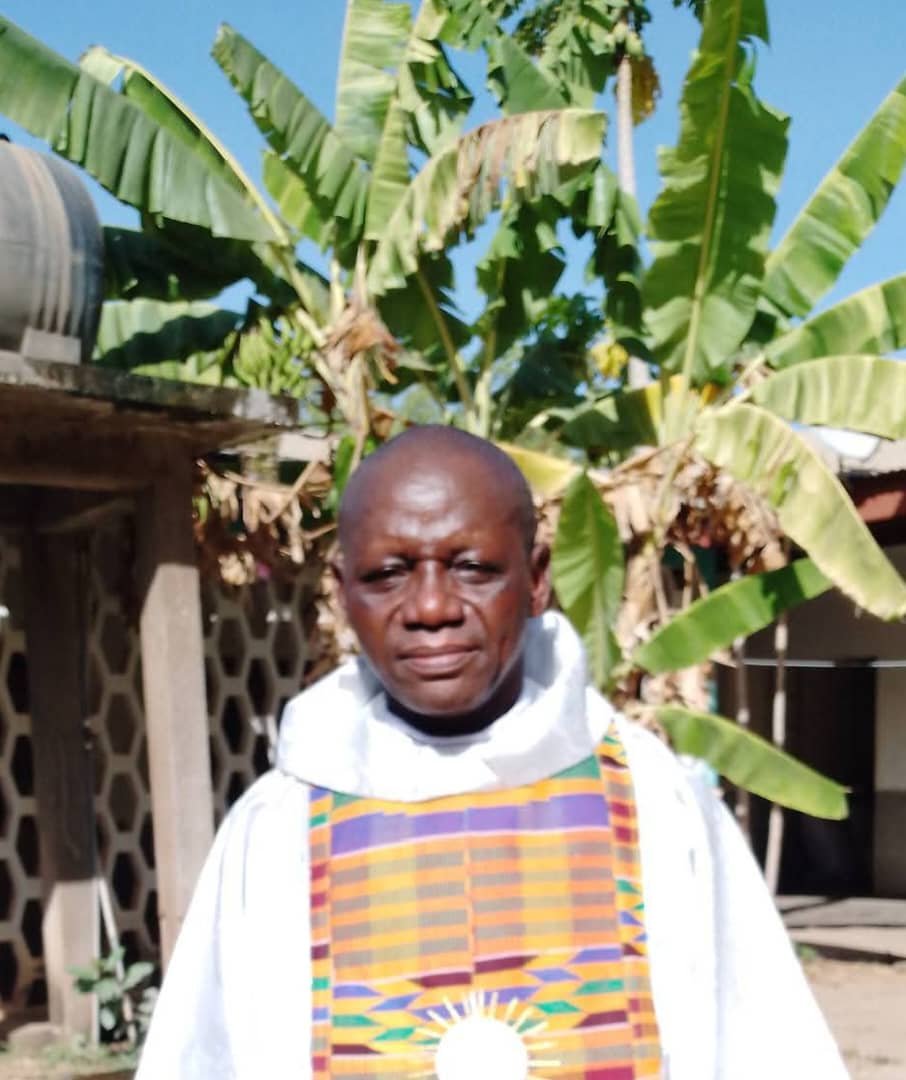
In this regard, the role played by the revered chief who led the mediation effort deserves respect, not suspicion. His work was undertaken in the interest of peace, stability, and national cohesion. It is, therefore, worrying to see negative sentiments, inflammatory commentaries, and unguarded political interpretations gaining currency. Such narratives have the potential to derail the fragile progress made so far and plunge the area back into cycles of mistrust and violence.
There is no better pathway to resolving this conflict than the dialogue and mediation process that has been pursued. War, retaliation, and street justice have never resolved Bawku’s problems; they have only deepened wounds and prolonged suffering. Those who have begun turning this sensitive issue into political capital must be careful. Reckless commentary, especially from influential voices, can easily inflame passions and undermine peace.
Government, too, must not shy away from insisting on what is right and lawful simply because of public pressure or fear of criticism. Leadership sometimes requires making difficult decisions in the interest of long-term stability. Peace cannot be sacrificed on the altar of populism or partisan comfort.
Bawku stands at a crossroads. One path leads to renewed conflict, lost generations, and economic stagnation. The other leads to reconciliation, education, commerce, and hope. The choice should not be difficult. It is time for all parties—traditional authorities, youth, political actors, and ordinary citizens—to look beyond immediate grievances and embrace the bigger picture.
Peace is not surrender. Peace is wisdom. And for Bawku, peace is the only future worth fighting for.



No comments yet. Be the first to comment!