
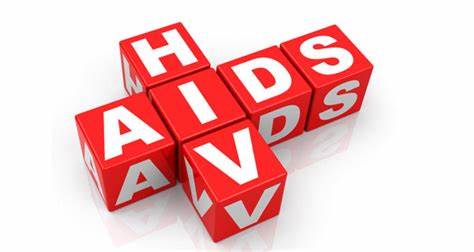
According to the World Health Organization (WHO), HIV (Human Immunodeficiency Virus) is a virus that attacks the body's immune system, making it harder for the body to fight off infections and diseases. AIDS (Acquired Immunodeficiency Syndrome) is the most advanced stage of HIV infection, where the immune system is severely weakened, and the person becomes vulnerable to opportunistic infections.
The Ghana AIDS Commission was established in 2002 by an Act of Parliament, ACT 613, and later re-established under Act 938 in 2016. It was a deliberate responsive mechanism against the increasing rate of HIV/AIDS. It is mandated to coordinate and oversee the national response to HIV/AIDS, with the goal of reducing the spread of the disease and mitigating its impact on the population.
The Commission's key responsibilities include developing and implementing national HIV/AIDS policies and programs, coordinating stakeholder efforts to ensure a unified national response, providing technical support and guidance to implementing partners, monitoring and evaluating the effectiveness of HIV/AIDS interventions, and advocating for increased awareness and resources to combat HIV/AIDS.
However, despite these efforts, Ghana has seen a resurgence in HIV/AIDS cases, with a prevalence rate of 1.7% among adults aged 15-49, according to the 2020 Ghana AIDS Commission report. This is a stark reminder that the fight against HIV/AIDS is far from over. In fact, the situation is quite alarming, especially when we consider the progress made in the early 2000s.
Back then, Ghana made significant strides in combating HIV/AIDS, thanks to the tireless efforts of the Ghana AIDS Commission. The Commission rolled out sensitization and educational programs in schools, communities, and markets, and student and youth clubs were formed to promote awareness and prevention. According to UNAIDS, Ghana's HIV prevalence rate declined from 3.6% in 2003 to 1.3% in 2015.
Nevertheless, in recent years, the Commission's efforts seem to have dwindled, and the progress made is being reversed. The lack of education and awareness, especially among the youth, is alarming. Many young people no longer fear HIV/AIDS, and the reason they use condoms is to avoid pregnancy, not HIV.
The Ghana AIDS Commission's recent lamentations about expired female condoms and the low use of condoms among youth are symptoms of a larger problem. Consequently, the Commission's inaction is contributing to the rising prevalence rate. According to the 2020 Ghana Demographic and Health Survey, only 37% of young people aged 15-24 have comprehensive knowledge about HIV/AIDS.
Moreover, the proliferation of antiretroviral drugs has led to complacency, and many believe that HIV/AIDS is no longer a serious threat. This is far from the truth. HIV/AIDS is still a major public health concern, and it's imperative that the Ghana AIDS Commission takes urgent action to address the issue.
In light of this, it's time for the Ghana AIDS Commission to revive its efforts and prioritize HIV/AIDS awareness and education. The youth need to be empowered with accurate information to make informed decisions. The Commission must go beyond lamentation and take concrete actions to address the issue.
For instance, it could revamp educational programs in schools and increase access to HIV testing and counseling services, promote condom use and distribution, engage influencers and celebrities to amplify HIV/AIDS awareness, and strengthen partnerships with stakeholders to leverage resources and expertise.
Ultimately, the Ghana AIDS Commission has a critical role to play in the fight against HIV/AIDS. It's time for the Commission to wake up and take action. The future of Ghana's youth depends on it.
The Ministry of Health must, as a matter of urgency, reset the Ghana AIDS Commission, by transforming the institution to be proactively responsive to new emerging social, economic, and cultural situations complicating the fight against HIV/AIDS, culminating in a surge in the numbers.
I am optimistic that a modern proactive approach to sensitization and education can help reduce the menace. At least, some institutional collaborations can do the magic. It is necessary because the cost of importing drugs is more expensive than any effective prevention campaigns, even though I have not done a comparative analysis of the data.
References:
- Ghana AIDS Commission. (2020). National HIV/AIDS Strategic Plan 2021-2025.
- UNAIDS. (2015). Ghana HIV and AIDS Estimates.
- Ghana Statistical Service. (2020). Ghana Demographic and Health Survey 2020.
Denis Andaban
The Village Boy From DBI
0549734023





FRANCIS BAALADONG
Nov 7, 2025 12:48 amHIV/AIDS is still real! Lettwatch out.