
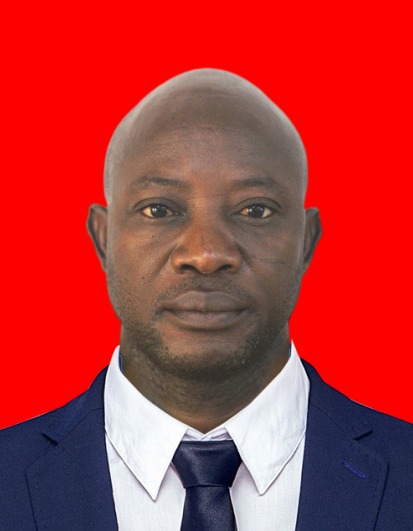
In a move that has stunned observers across Africa, Cameroonians have once again chosen a 92-year-old man to lead them. While some hail it as a vote for stability and experience, others see it as a troubling sign of political stagnation. In this piece, Francis Angbabora Baaladong questions whether such a decision serves the best interests of the nation and Africa’s democratic future.
The recent decision by Cameroonians to elect a 92-year-old man as their president has sparked intense debate across Africa and beyond. Many are asking: in a continent yearning for progress, innovation, and leadership renewal, was this truly the right choice?
From a moral, democratic, and developmental standpoint, the answer is no. While every citizen has the right to vote freely, true democracy must also reflect rational and forward-looking choices that safeguard the nation’s future.
At 92, no human being, regardless of wisdom or experience, can possess the physical stamina and mental agility required to steer a modern state through the complex challenges of security, unemployment, education, and economic growth. Leadership at that age risks being symbolic rather than practical, often resulting in overdependence on unelected aides and entrenched loyalists. This is a recipe for stagnation and corruption.
Cameroon, like many African countries, has suffered from political inertia, a tendency to cling to long-serving leaders who long ago lost touch with the everyday realities of their citizens. The election of such an elderly president is less a mark of democracy and more an indication of institutional weakness, political manipulation, and voter resignation. It reflects a system where the power of personality has overshadowed the promise of progress.
But this development also raises a profound question: What do Cameroonians truly hope to gain by electing a man who has been in power for over four decades, while the nation’s problems remain largely unsolved? The country needs to be safe from the tyrannical hands of this old man who has no vision for the development of the country.
Under his rule, Cameroon continues to grapple with widespread poverty, youth unemployment, corruption, poor infrastructure, and separatist conflict. Decades of the same leadership have done little to lift citizens from hardship or to create a more just and inclusive society. If the results of past leadership are any indication, then repeating the same choice can only guarantee the same outcome, a cycle of frustration and underdevelopment.
Supporters might argue that age brings experience and continuity. Yet, the realities of governance today, rapid technological change, digital economies, youth unemployment, and social unrest, demand energy, creativity, and adaptability. These are not qualities associated with a 92-year-old leader. Africa’s future cannot be built on nostalgia for past glories; it requires a conscious investment in the next generation.
Cameroon’s decision should serve as a wake-up call for the entire continent. Africa must stop mistaking longevity for leadership and learn that real stability comes from institutions, not individuals. The youth of Cameroon and indeed of Africa, must demand leadership that represents their energy, aspirations, and future.
The destiny of Africa lies not in the hands of those clinging to power, but in the courage of its youth to demand renewal. The continent’s young people, vibrant, educated, and connected must rise to reject recycled leadership and the politics of fear. They must insist on accountability, innovation, and generational change. True independence will not come from the colonial past, but from the willingness of Africans to choose leaders who reflect the heartbeat of the present and the promise of the future.
It is time for Africa’s youth to take charge, not through violence, but through vision, unity, and the ballot. The future belongs to those who dare to build it.
The youth of Africa are watching!!
FAB's Gist
No comments yet. Be the first to comment!