
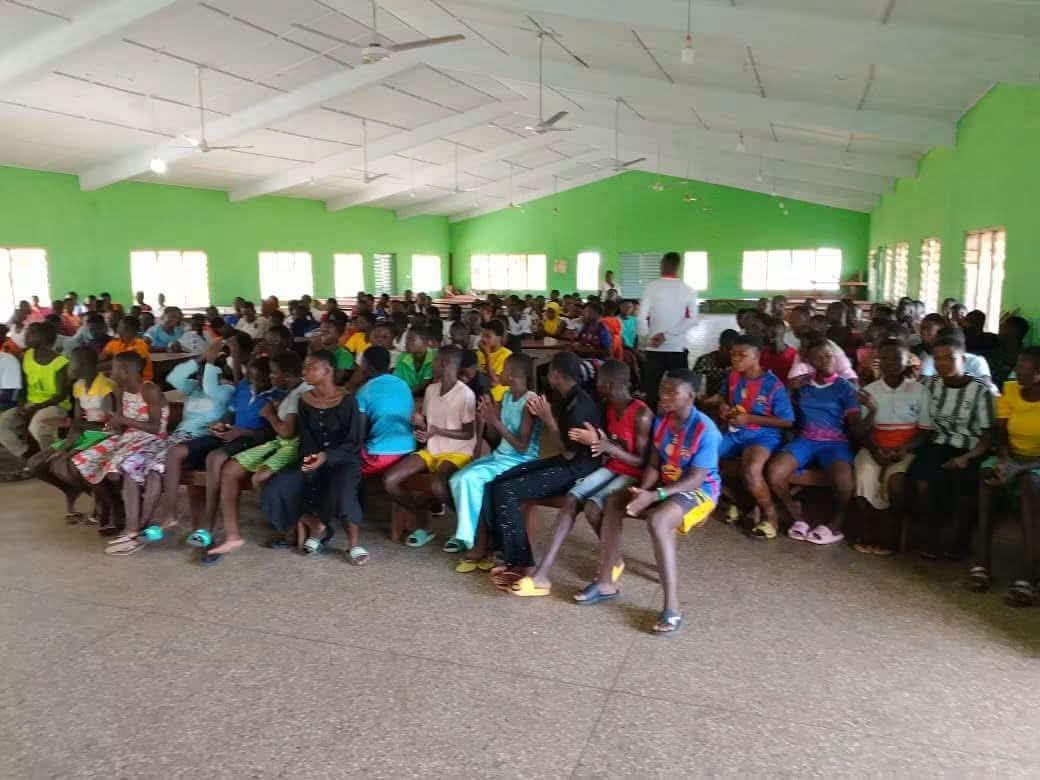
The reported inability of Team Upper West to participate in this year’s inter-regional sports activities because of financial constraints is deeply disappointing and raises serious questions about how sporting activities and the development of young talent are being prioritised in the region. While financial challenges are real and cannot simply be wished away, the situation inevitably prompts one fundamental question: Was the region unaware that these games were scheduled to take place?
If the event was known in advance, then the failure to make adequate preparations, mobilise resources and secure the participation of the region’s athletes points to a worrying lack of due diligence and proactiveness on the part of those responsible for organising the team. The disappointment is particularly painful because behind every athlete is a young person who has invested time, energy and hope in developing a talent. These boys and girls train, compete and make sacrifices because they believe their abilities can take them somewhere. For some, sporting activities may represent much more than an extracurricular pastime; they may be the beginning of a career, an opportunity for education or even a pathway out of poverty.
It is therefore unfortunate for athletes to prepare themselves for an opportunity only to be told at the last minute that they cannot participate because the necessary arrangements were not made. Such a situation can be deeply demoralising, particularly for young people who may have spent months preparing physically and mentally for the competition.
Sports have evolved considerably over the years. They are no longer merely recreational activities undertaken for entertainment or physical exercise. Across the world, sporting careers have created employment, generated wealth and transformed the lives of young people and their families. For a region with a large population of young people and limited employment opportunities, sports should be treated as an important component of youth development. Talented athletes must be identified, nurtured and given opportunities to compete at district, regional, national and international levels.
The failure to send Team Upper West to an important sporting event therefore goes beyond the immediate disappointment of missing a competition. It potentially deprives young people of exposure, experience and opportunities that may never return. For some of these athletes, the event could have provided an opportunity to distinguish themselves, gain valuable competitive experience or attract the attention of people who could contribute to their future development.
One must also ask what message such a situation sends to the young athletes involved. Are we telling them that their talents do not matter? Are we telling them that academic activities are important but co-curricular activities can be ignored when resources become tight? Or are we inadvertently teaching them that their dedication and sacrifices will not necessarily be matched by the institutions responsible for supporting them? These are uncomfortable questions, but they must be asked.
Indeed, sporting activities have an important role to play in addressing some of the social challenges confronting young people. At a time when concerns over drug and substance abuse among the youth are growing, every responsible institution should be looking for constructive ways to keep young people engaged in productive activities. Sports provide discipline, teamwork, confidence, commitment and a sense of purpose. They keep young people physically active while creating an environment in which they can develop positive relationships and important life skills.
This is why governments, educational authorities, traditional leaders, civil society organisations, businesses and philanthropists must recognise sports as an investment in the future of the youth rather than an unnecessary expense. The Upper West Region is not without individuals and organisations capable of supporting promising young athletes. There are philanthropic organisations, businesses, development partners and individuals within and outside the region who could potentially contribute towards sporting development if approached early enough with a credible plan.
It is therefore difficult to understand why an entire regional team should miss an opportunity simply because of funding challenges without a vigorous attempt to mobilise support. Financial constraints should encourage greater creativity and resource mobilisation, not administrative paralysis. If the relevant authorities knew about the event sufficiently early, there should have been a deliberate effort to prepare a budget, identify the athletes, estimate transportation, feeding and accommodation costs, and approach potential sponsors and stakeholders for assistance. Even where government funding is inadequate, there should be contingency plans.
The issue is not about blaming individuals for the sake of blame. It is about accountability and learning from what has happened. If there were genuine circumstances beyond the control of the organisers, the public deserves to know. If, however, the failure resulted from poor planning, delayed action or administrative negligence, then those responsible must accept responsibility and ensure that such a situation does not happen again.
The Upper West Region cannot afford to neglect its young talents. For many young people, participation in sporting competitions provides their first opportunity to travel beyond their immediate communities, interact with other young people, test themselves against stronger competition and attract the attention of scouts and other sporting stakeholders. One competition can sometimes change an athlete’s life, and that possibility should never be casually denied to a young person who has worked hard to earn the opportunity.
It is therefore imperative that the Regional Education Directorate and other relevant authorities begin treating sporting activities with the seriousness they deserve. There must be a clear calendar of major competitions, early preparation, transparent budgeting and proactive engagement with potential sponsors. More importantly, the athletes themselves must be made to feel valued. These young boys and girls have done their part by training and preparing themselves; the institutions entrusted with their development must also do their part.
The Upper West Region has produced talented sportsmen and women over the years, and there is no reason why the region cannot continue to identify and develop athletes capable of competing successfully at the highest levels. But talent cannot thrive on potential alone. It requires opportunity, investment, exposure and institutional support. When these are absent, even the most promising young athlete can lose the motivation to pursue his or her dreams.
The reported absence of Team Upper West from this year’s inter-regional sports activities should therefore not simply be allowed to pass as another administrative mishap. It should become a moment for serious reflection on how the region supports young people and their talents. The Upper West Regional Education Directorate owes the people of the region, and especially the affected athletes and their parents, a clear explanation for the failure to participate.
Beyond an explanation, the affected young athletes deserve an unqualified apology. They also deserve an assurance that the circumstances that led to their disappointment will not be repeated. Our young people should not be punished for institutional shortcomings. They should be given every reasonable opportunity to discover their talents, compete, grow and succeed.
If we are serious about building a region in which young people can realise their potential, then we must recognise that sports are not a luxury; they are an investment in the future of our youth. The failure to participate this year should therefore serve as a wake-up call to all stakeholders. Upper West must do better.
The Trial News

Moro Bakudimah
Aug 27, 2026 7:29 amHmmmm Our leaders should explain to us why this situation. Should parents continue to support sports? Must it be only classroom work? If not because I have a female team here, Chiewia ladies FC to continue engaging our females after we were asked to return, most of them would have stopped schooling and others run to "Kayayo" Upper West Region need to arrest this situation seriously
FRANCIS BAALADONG
Aug 29, 2026 8:17 pm@Moro Bakudimah This is a shame to all our prominent leaders from the region if only the region contacted them and there wasn't a way out.