
In every successful sporting nation, the foundation of excellence is not built solely on talented athletes but also on the availability of competent, well-trained coaches who identify, nurture, and develop that talent from the grassroots. Ghana has, for decades, produced gifted footballers who have excelled on the continental and global stage. Yet one persistent challenge has remained: the shortage of adequately trained local coaches capable of sustaining this success.
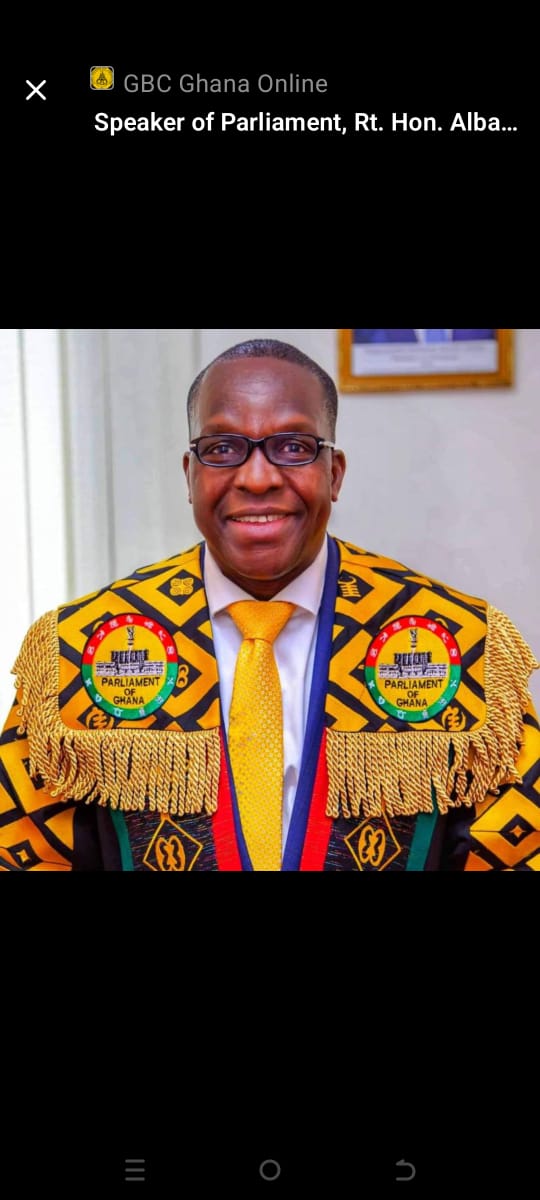
Beyond his official duties, the Right Hon. Speaker is widely known for his deep passion for football, particularly soccer, which he has consistently expressed over the years. It is therefore not surprising that he has taken this upon himself to make such a tremendous contribution towards the development of the sport, using his position to support initiatives that strengthen the game at its roots.
Against this backdrop, the initiative by the Rt. Hon. Speaker of Parliament, Alban Sumana Kingsford Bagbin, to sponsor the training of 276 football coaches, one from each of Ghana's constituencies, deserves the highest commendation. It is a visionary investment in the future of Ghanaian football and a demonstration of leadership that goes beyond politics to embrace national development.
For many years, Ghana has depended heavily on foreign coaches to lead our national teams. While some have made meaningful contributions, the financial burden associated with hiring expatriate coaches has often been enormous. Millions of cedis have been spent on salaries, allowances, accommodation, and other benefits that could have been invested in developing our own coaching capacity.
A nation blessed with abundant football talent should equally strive to develop its own technical expertise. The long-term solution to Ghana's coaching challenges does not lie in the continuous importation of foreign coaches but in deliberately investing in the education and professional development of our own people.
The proposed training of 276 coaches represents a strategic step in that direction. By ensuring that every constituency has at least one trained football coach, the initiative has the potential to strengthen grassroots football development nationwide. These coaches will become mentors to young players, identify hidden talents in schools and communities, and help build a sustainable football ecosystem that serves Ghana for generations.
Beyond improving football standards, the programme also creates meaningful employment opportunities for young Ghanaians. Coaching is a respected profession that can provide livelihoods while contributing to national development. Instead of relying almost exclusively on foreign expertise, Ghana can gradually build a strong pool of competent local coaches who understand our football culture, appreciate local realities, and are committed to the long-term success of the national game.
This initiative also aligns with the broader national agenda of promoting self-reliance and developing local capacity. Every sector of the economy benefits when investments are made in human capital, and sports should be no exception. The knowledge and skills acquired through professional coaching education will remain in Ghana, benefiting countless young footballers long after the training programme has ended.
It is equally encouraging that the initiative seeks to ensure nationwide representation by selecting participants from all 276 constituencies. Such an inclusive approach guarantees that the benefits of the programme are not concentrated in a few urban centres but are extended to every part of the country, where many gifted young footballers often lack access to qualified coaching.
The Speaker's initiative should therefore serve as a model for future sports development programmes. Government agencies, corporate institutions, football administrators, and other stakeholders should rally behind this vision and provide the necessary support to ensure its successful implementation. Investing in coaches is, ultimately, an investment in players, communities, and the future of Ghanaian football.
As Ghana continues its quest to reclaim its place among Africa's football giants, initiatives such as this deserve national recognition and support. The development of local coaches is not merely a sporting project; it is an investment in national pride, youth empowerment, employment creation, and sustainable sporting excellence.
Rt. Hon. Speaker Alban Sumana Kingsford Bagbin deserves commendation for demonstrating that genuine leadership is measured not only by legislative achievements but also by the willingness to invest in people and institutions that will shape the future. If successfully implemented, this programme could mark the beginning of a new era in which Ghana increasingly relies on its own well-trained coaches to nurture talent, manage clubs, and eventually lead our national teams with competence and confidence.
The future of Ghanaian football belongs to those who are prepared to invest in its foundations. By choosing to develop coaches at the grassroots, Speaker Bagbin has taken a bold and commendable step towards building that future.
The Trial News
No comments yet. Be the first to comment!