

Is Religion a Curse or a Blessing to Humanity?
From the dawn of civilization to modern times, religion has played a central role in shaping human society. It has inspired countless acts of kindness, sacrifice, and creativity yet, paradoxically, it has also fueled wars, persecution, and deep divisions among humanity. This paradox continues to challenge our understanding of what religion truly represents and whether it has been more of a blessing or a curse to the world.
A Look Back in History
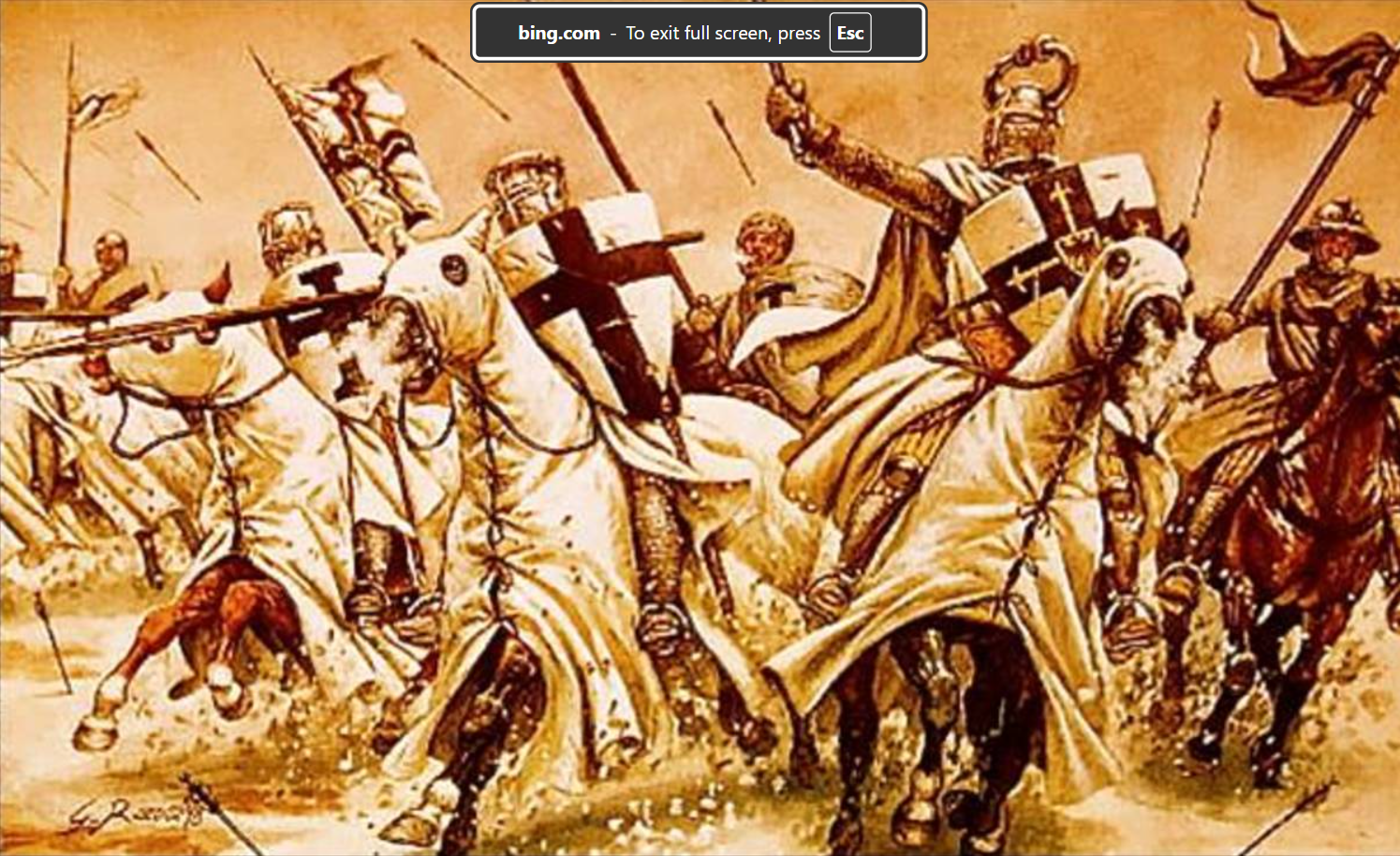
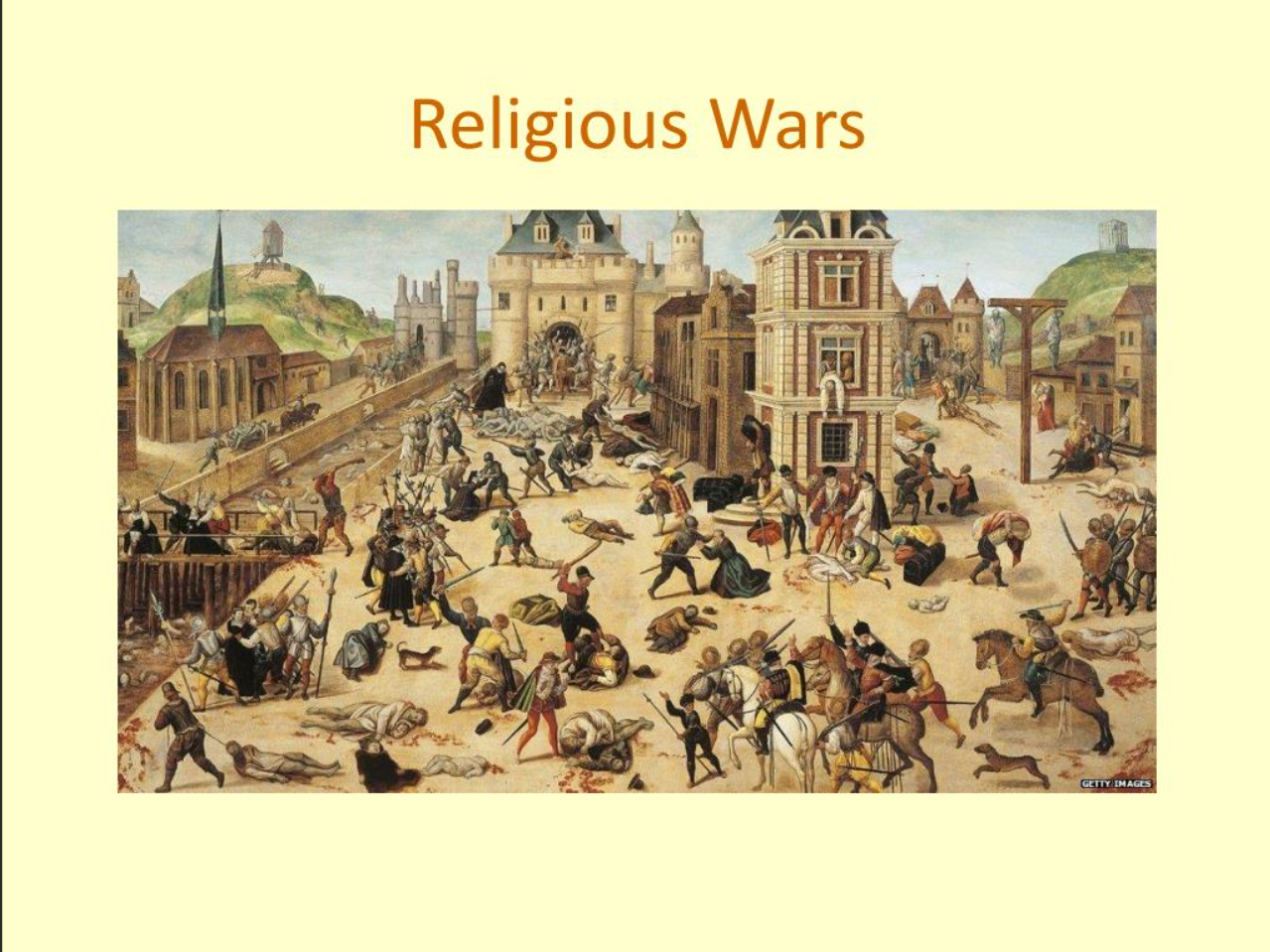
Dating back to the 1st to 12th centuries, history records numerous episodes of persecution and violence carried out in the name of religion. The two most dominant religious fraternities Christianity and Islam were often at the heart of these struggles, as both sought to expand their influence and gain followers. From the Crusades in medieval Europe to the Islamic conquests across Asia and Africa, the quest for religious dominance left trails of bloodshed and bitterness.
Sadly, these acts of persecution have not completely disappeared. In contemporary times, the same spirit of intolerance continues albeit in different forms. Instead of swords and spears, division is now propagated through hate speech, discrimination, social exclusion, and even terrorism, all justified in the name of God or divine truth.
The Paradox of Divine Creation
If indeed God or the Creator of the universe made all things and all people, one must ask: why would some persecute others in the name of that same Creator? The logic simply does not add up. Religion, in its purest sense, was meant to draw humanity closer to divinity and to one another. Yet, it has too often been manipulated by individuals and institutions seeking power, control, or superiority.
Religion and Division
Throughout history, religion has arguably caused more divisions among humanity than any other institution. It has provided the ideological foundation for political rivalries, tribal conflicts, and even economic and social discrimination. Over time, these divisions have deeply affected every facet of human life marriages, families, education, health, governance, media, sports, and even agriculture.
Religion, which was supposed to unify humanity under moral and spiritual values, has instead fragmented societies into competing sects, each claiming to possess the ultimate truth.
The True Purpose of Religion
In essence, religion should provide humanity with diverse ways of connecting with and worshipping the Creator. Diversity in worship was never meant to be a tool for conflict but rather an opportunity to express reverence in multiple forms. The problem, however, lies not with religion itself but with human interpretation. Followers and institutions have often misunderstood or misapplied religious doctrines, allowing ignorance, pride, and fanaticism to overshadow true spiritual purpose.
The teachings of Christianity and Islam, for instance, both emphasize love, compassion, peace, forgiveness, and justice. The Holy Bible preaches, “Love your neighbor as yourself” (Mark 12:31), while the Holy Qur’an reminds believers that, “Whoever kills a soul…it is as if he had slain all mankind; and whoever saves one it is as if he had saved all mankind” (Qur’an 5:32). These teachings align remarkably well yet the actions of many followers today suggest otherwise.
Is This the Creator’s Great Plan?
Could it be that the chaos, hatred, and destruction we witness in the name of God were part of the Creator’s great plan? Certainly not. The Creator endowed humanity with intellect, conscience, and free will not to wage war on one another, but to coexist, collaborate, and advance the purpose of creation.
Our greatest purpose in this universe is not to destroy ourselves in the name of religion, but to use our diversity of thought, faith, and background as a source of collective strength and enlightenment.
As the late former President of Ghana, Jerry John Rawlings, wisely stated:
“Our education will be meaningless if we cannot reason beyond our religious, tribal, and political affiliations and beliefs.”
A Call for Reawakening
It is time for humanity to outgrow blind religious fanaticism and rediscover the original purpose of faith to promote peace, justice, and unity. The Creator of the universe has blessed each individual not on religious grounds, but through our shared humanity. We must therefore embrace one another beyond our religious, political, and tribal lines, recognizing that the divine purpose is fulfilled when humanity thrives together.
Only when religion becomes a bridge rather than a barrier will the world begin to experience the peace and prosperity the Creator intended since the dawn of time.







Aaron Salmah Dery
Nov 8, 2025 3:22 pmReligion is a blessing. All of us humans cannot be sane. Most have to stay in the loop so we can parasite off their mind. ;)
Tingbani Amanda
Nov 8, 2025 6:17 pmEverything in this world has both positive and negative sides and so as religion too.
Johannes Nang-bayi
Nov 11, 2025 7:40 pmReligion has played its role in shaping humanity, providing schools and guidance in our way of life. But is religion now and then the same? Is religion losing its value? The future of religion is pregnant.
Pius Zinenoba
Nov 13, 2025 1:20 amIn my opinion we are becoming a species that linger to live in comfort. As Lamarck simply put it is now survival of the rest. Where you who can't pray in tonges is doing on grounds. He who doesn't attend service is seen as a sinner but the question then is, is society interested in upright acts or pretends ? Well I personally think religion has done more good than harm; hypocrisy is overshadowing everything.
Gaa John Paul
Dec 8, 2025 5:40 pmWell elaborated. What was meant to unite us has turned out be one of the major causes of division in society. Many Atheists have been born from this, Only deep introspection makes the realize the issue is with religion and not in the existence of the Almighty. I think the only way out is to draw a line when religion incites us to show the slightest form of hate to any of our brethren understanding that we are all related in nature and share a common ancestry.
Mwingyillee Kalvin Dordaa
Mar 5, 2026 12:42 pmIn lot of ways when you look at it deeply and critically you’ll realize that religion have gone a long way to affect us in one way or the other, too me the negative effect is more then the positive effects, I believe that the most supremacy (God) didn’t or never brought religion, religion only existed by mankind, most stories of religion are written by the interest of individuals back then, I think worshiping is within, doing what you think is right, individual intuition is way greater than believing or relying upon religion, when you look at it well you’ll realize that religion has influenced and infiltrated into our mind and our souls to the extend that it has brain washed us not to respect one another. When God created a man he never said we shouldn’t be together in a society right but here being the case religion has separated us, you can’t see Muslim eating Christian food without questioning, you can’t see a Christian brother getting married to a Muslim sister easily ,why? Is that how it supposed to be?!